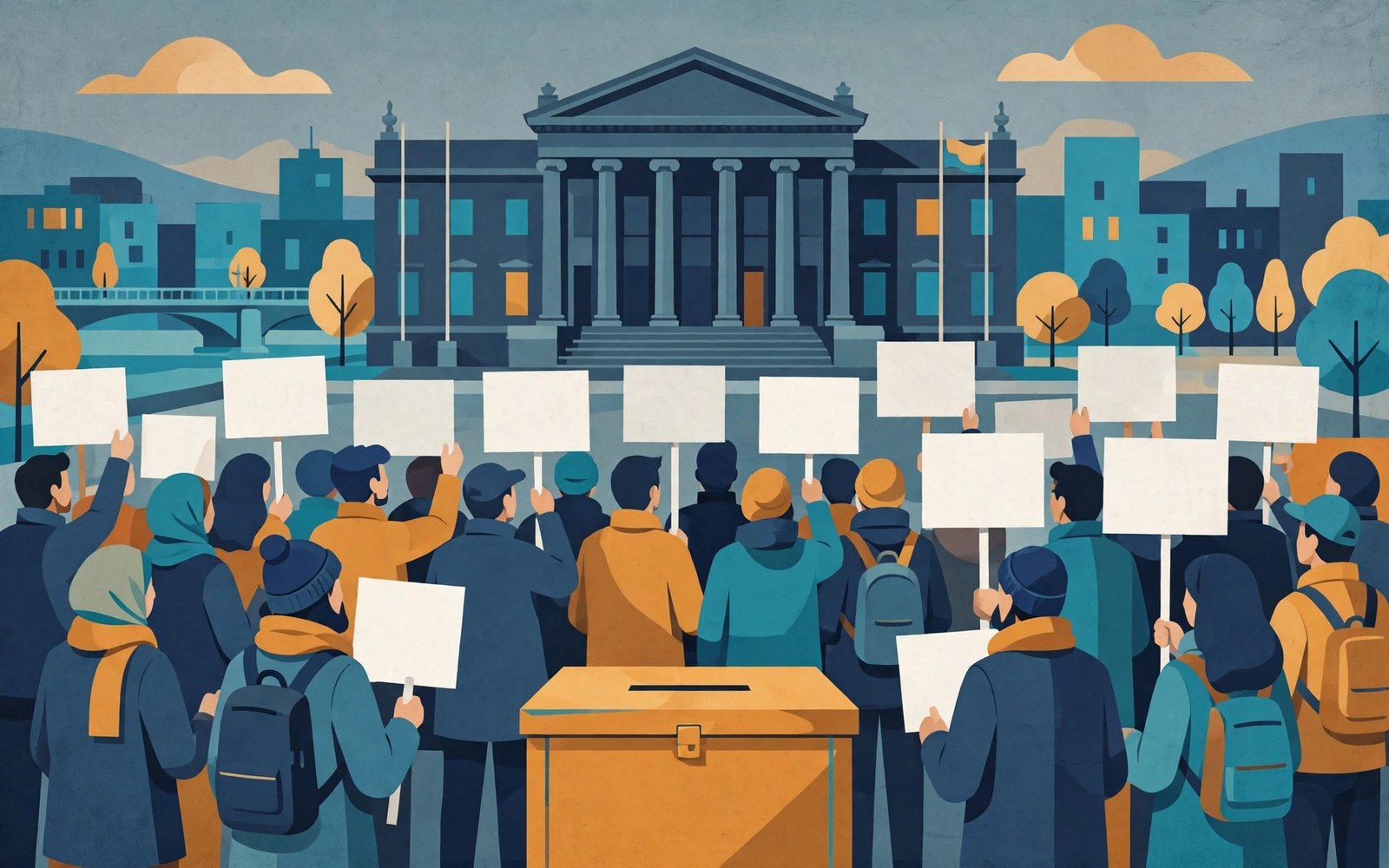
BELGRADE — Serbia goes to the polls on October 25 with its longtime leader Aleksandar Vucic seeking to extend a 12-year hold on power, as interviews with activists, student protesters and opposition politicians paint an increasingly authoritarian picture ahead of the vote, according to Reuters.
Vucic, a former president, is running for prime minister. His Serbian Progressive Party (SNS) faces its biggest political challenge since he came to power: the student-led protest movement that grew out of public anger over the Novi Sad train station canopy collapse, which killed 16 people in 2024, is fielding 250 of its own candidates. A poll this week put the students neck and neck with the SNS, Reuters reported.
The campaign has been darkened by accounts of beatings, cyberattacks and threats against critics. Activist and social media commentator Marko Marjanovic told Reuters that masked officers bundled him into a car as he returned from a supermarket in Belgrade and held him in solitary confinement for two days in a police station basement under bright lights. Days earlier, in August 2025, police had beaten him during anti-government protests, he and his lawyer said — part of what they describe as a campaign to silence him.
“How much corruption… how much destruction of everything that should and must be of value here. Someone has to be held accountable,” said Marjanovic, who has faced lengthy social media bans for his posts. Reuters reported that critics are routinely threatened, press freedoms are waning and corruption is on the rise, in the assessment of the activists and opposition figures it interviewed.
Vucic and the SNS have repeatedly denied accusations of repression and corruption. His office and the Interior Ministry did not respond to Reuters’ requests for comment on its reporting.
The election follows nearly two years of protest that began after the Novi Sad disaster, when a concrete canopy at the city’s renovated railway station collapsed. The deaths triggered demonstrations over alleged corruption in state construction projects that grew into a broad movement — led by students — demanding accountability and early elections. The movement’s decision to field its own candidates marks its shift from street pressure to a direct electoral challenge.
Why it matters beyond Serbia: the country is a candidate for European Union membership, and Brussels has repeatedly raised concerns about media freedom and the rule of law in Belgrade. A closely contested result — or a disputed one — would test both Serbia’s institutions and the EU’s leverage over a government that has balanced ties between the West, Russia and China.
What happens next: voting takes place on Sunday, October 25. The student list’s performance against the SNS will show whether the protest movement can convert two years of demonstrations into parliamentary seats, and observers will be watching the conduct of the vote and the treatment of journalists and activists on election day. Read the full Reuters report here.