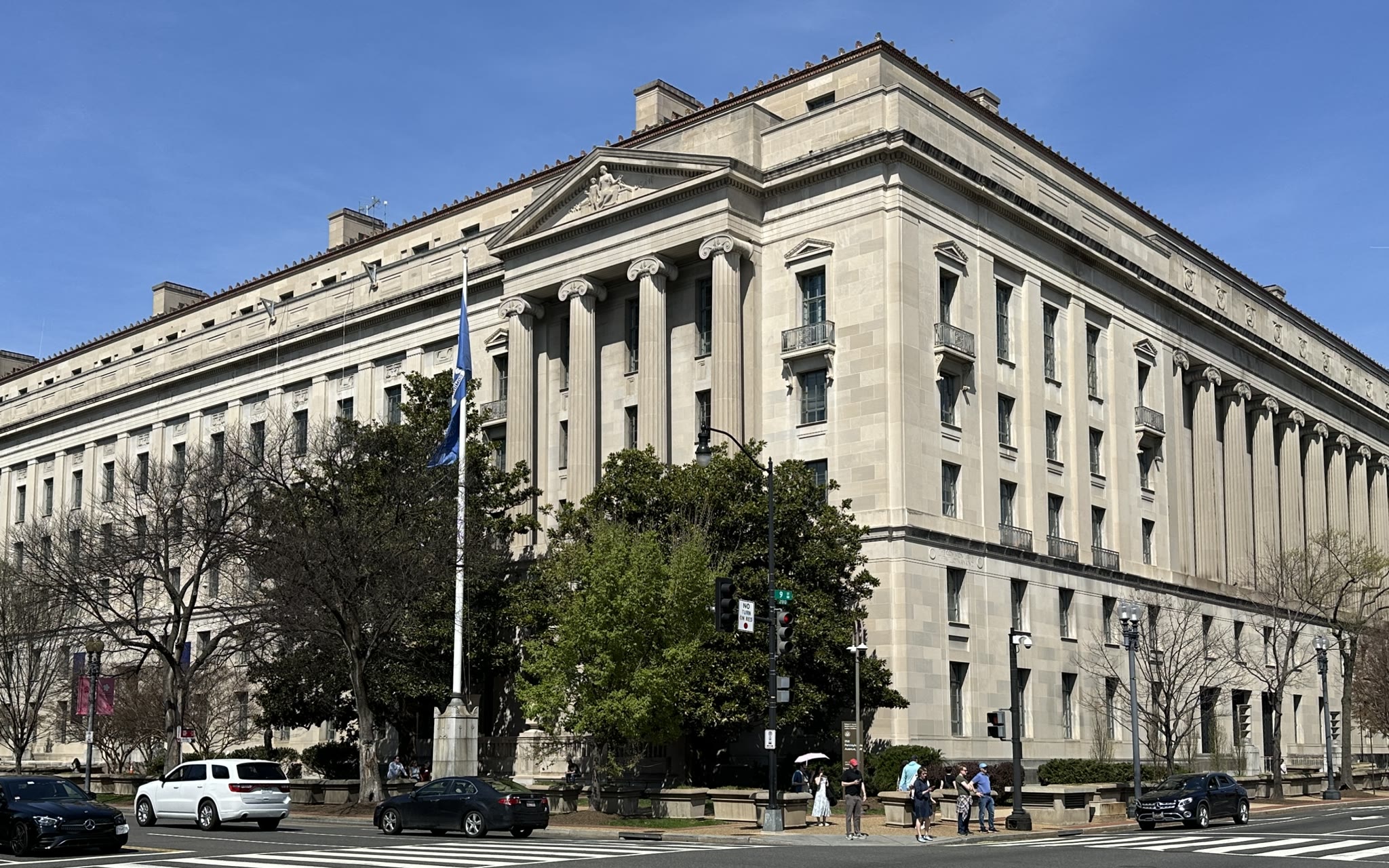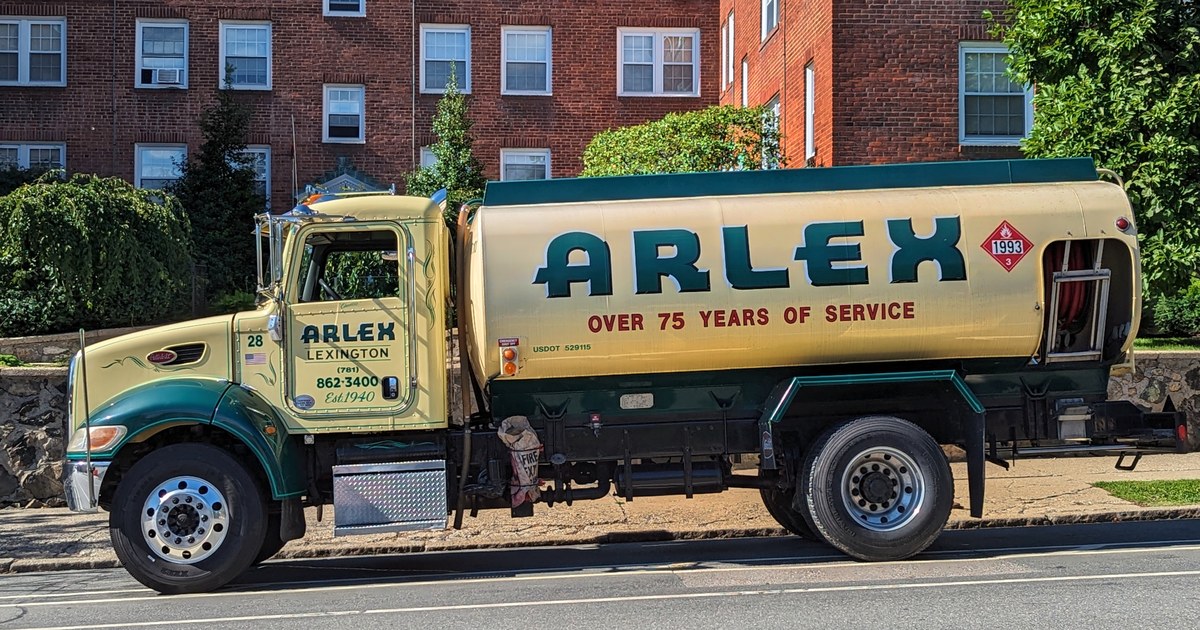
WASHINGTON — The U.S. Department of Energy announced on Wednesday that it will offer up to 315,000 barrels of heating oil from the federal government’s Northeast Home Heating Oil Reserve, in an emergency exchange aimed at easing record fuel prices as the winter heating season approaches.
The offer, made through a formal request for proposals, covers about a third of the reserve’s 1 million barrels of ultra-low sulfur distillate. The fuel will come from the reserve’s three storage sites — South Portland, Maine; Boston, Massachusetts; and New Haven, Connecticut — with no single site supplying more than 150,000 barrels. Companies have until October 27 to bid, in minimum quantities of 25,000 barrels, and deliveries are scheduled to be completed by November 13.
A loan, not a sale
The release is structured as an exchange — in effect, a loan — rather than a sale or a permanent drawdown. Companies that receive oil now must return the same volume later, plus an additional amount as a premium for the loan, ensuring the reserve is refilled ahead of the 2027–28 heating season. An exchange therefore does not shrink the reserve in the long run; once the borrowed fuel is repaid, the stockpile is restored, slightly enlarged by the premium barrels.
“The Trump Administration is committed to doing everything in our power to lower energy costs for the American people,” Energy Secretary Chris Wright said in the department’s announcement. Wright said he directed the exchange after receiving a letter from Maine Senators Susan Collins and Angus King and holding extensive discussions with Collins. “Of course, this is a temporary measure to solve a temporary supply disruption,” he added, urging Northeast governors to back natural gas pipeline projects — including the Constitution Pipeline — as a longer-term answer.
Why the Northeast, and why now
Heating oil is a niche fuel nationally — about 4 percent of U.S. households rely on it — but it is concentrated in the Northeast, and Maine depends on it more than any other state, with roughly half of its homes heated by oil. Prices have surged during the war involving Iran: average retail diesel, a closely related fuel, has hovered around $6.32 a gallon after hitting a record $6.52 last month, according to AAA, and Maine’s governor’s office said heating oil in the state reached a record $6.02 a gallon in September — about $740 more to fill a standard 275-gallon tank than a year earlier. The Energy Information Administration has warned that households heating with oil should expect costs about 21 percent higher this winter, even with milder temperatures forecast. Supplies are tight: distillate inventories in the Northeast stand at 21 million barrels, 21 percent below last year and 35 percent below 2024, while New England’s stocks of 2.5 million barrels are down 34 percent on the year and about 53 percent from 2024.
The reserve itself was created in 2000 under President Bill Clinton to guard the region against supply shocks; the Energy Department describes it as roughly 10 days of regional supply, which makes this release about three days’ worth. It has been tapped only twice in its 26-year history — most recently after Hurricane Sandy in 2012 — and, according to regional reporting, never before for the purpose of lowering prices.
Support, and skepticism
Senator Collins said the exchange amounts to a 13 percent increase in New England’s home heating oil supply and will push the region’s heating costs down this winter. Senator King said the release “will hopefully be some help” to Maine. Governor Janet Mills of Maine welcomed the move as potential “meaningful financial relief” while renewing her call for more federal funding for the Low-Income Home Energy Assistance Program (LIHEAP), which helps low-income households pay heating bills. Both King and Mills attributed the price surge to the war — a point of political contention with the administration.
Energy analysts were markedly cooler. Tom Kloza, chief energy adviser at Gulf Oil, called the move “puzzling and probably inconsequential” and said it should have no impact on prices. Market analysts note that 315,000 barrels is a small fraction of the East Coast’s distillate shortfall — the region consumes roughly 1.2 million barrels of diesel and other distillates every day — so any price effect is likely to be modest and short-lived. Heating oil futures dipped on the announcement, falling toward $4.80 a gallon. A department source told Reuters the government will evaluate whether further releases are needed.
What happens next
Bids are due October 27, and the department will then announce how much oil companies actually take up — the final volume could be less than the full 315,000 barrels offered. Deliveries must be completed by November 13, ahead of the coldest months. Whether the exchange trims household bills will depend on how much fuel is taken, how regional markets respond, and whether Washington follows up with additional releases or heating assistance funding.
Sources: U.S. Department of Energy; Reuters; OPIS via Morningstar; New England Signal.