WASHINGTON — President Donald Trump said Russia agreed to release more than 300,000 metric tons of diesel immediately to U.S. and global markets, while his administration temporarily eased sanctions on Russian fuel in an effort to relieve a severe supply squeeze and high prices.
Trump announced the agreement Friday, October 9, after a call with Russian President Vladimir Putin. He said Russia would supply another 500,000 metric tons in November and a further 1 million metric tons afterward, depending on refinery conditions.
Temporary sanctions relief
The U.S. Treasury Department issued a license allowing imports of Russian diesel through April 7, according to Reuters. The action marks a notable shift in U.S. sanctions policy toward Russian energy companies, which Washington has targeted over Moscow’s war in Ukraine.
The Kremlin confirmed that Trump and Putin spoke on October 9. In its official account of the call, Moscow said the leaders discussed bilateral relations, energy markets and the war in Ukraine.
Price impact may be limited
Diesel is central to trucking, agriculture, home heating and industrial activity, making sustained price increases a broader inflation risk. Reuters reported that the U.S. average diesel price stood at $6.28 a gallon on Thursday, October 8, citing AAA. Diesel futures fell nearly 5% after Friday’s announcement, though that market move should not be read as a guaranteed reduction at retail pumps.
Energy analysts cautioned that the announced volumes may provide only limited relief in a market strained by refinery disruptions and the wars in Ukraine and the Middle East. The initial 300,000 metric tons is roughly 2.25 million barrels, while the United States exports about 1.5 million barrels of diesel per day, according to Reuters.
Ukraine and lawmakers criticize the agreement
Ukrainian President Volodymyr Zelenskiy criticized the sanctions relief, arguing that purchases of Russian fuel could provide Moscow with revenue for its war. Republican Representative Don Bacon also called for additional pressure on Russia rather than easing sanctions.
The agreement therefore carries two competing policy goals: increasing fuel supply for consumers and businesses while maintaining economic pressure on Russia. Its effect will depend on how much diesel Russia can deliver, how quickly cargoes reach buyers and whether broader refinery constraints ease.
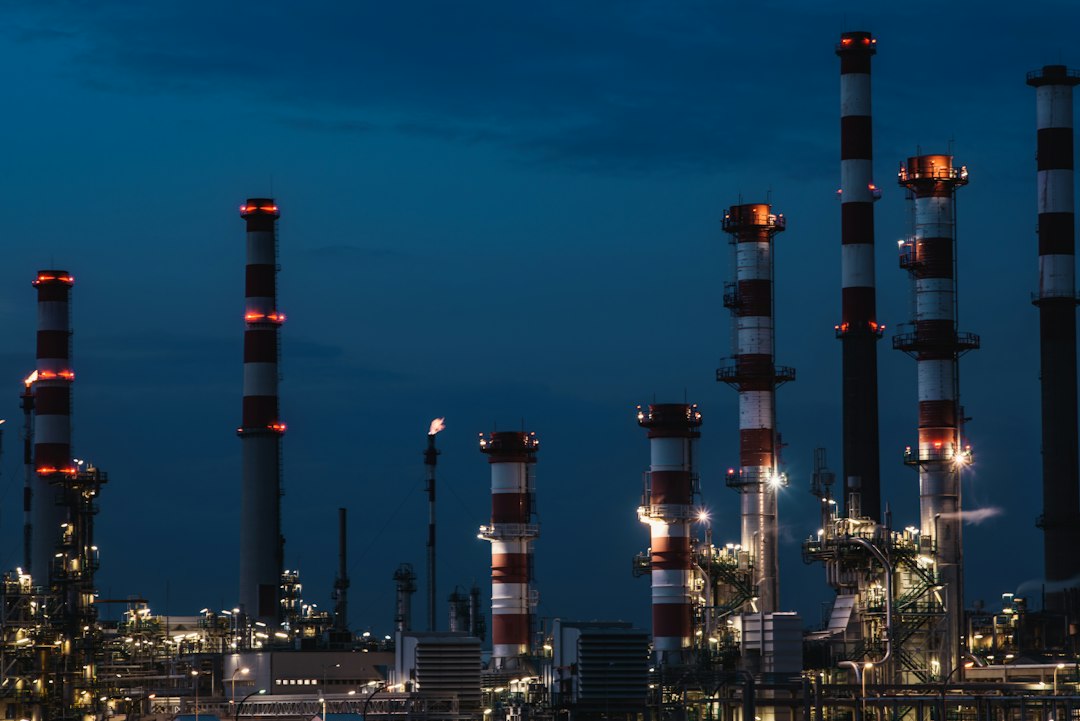
Sources: Reuters, October 9, 2026; Kremlin account of the Trump-Putin call, October 9, 2026. Featured image is illustrative: oil refinery photo by Maksym Kaharlytskyi/Unsplash.