U.S. stock futures pointed sharply lower on Wednesday, the last full trading session before Thanksgiving, as the selloff in artificial-intelligence stocks deepened and fresh inflation data strengthened expectations that the Federal Reserve will raise interest rates next month.
Futures tied to the Nasdaq 100 were down 2.8% on Wednesday morning, while futures on the S&P 500 were down 1.9% and Dow futures were down 1.2%, according to Investopedia. Futures extended their losses after the inflation report, with S&P 500 futures down 2.1% and Nasdaq 100 futures down 3.2%, Investor’s Business Daily reported.
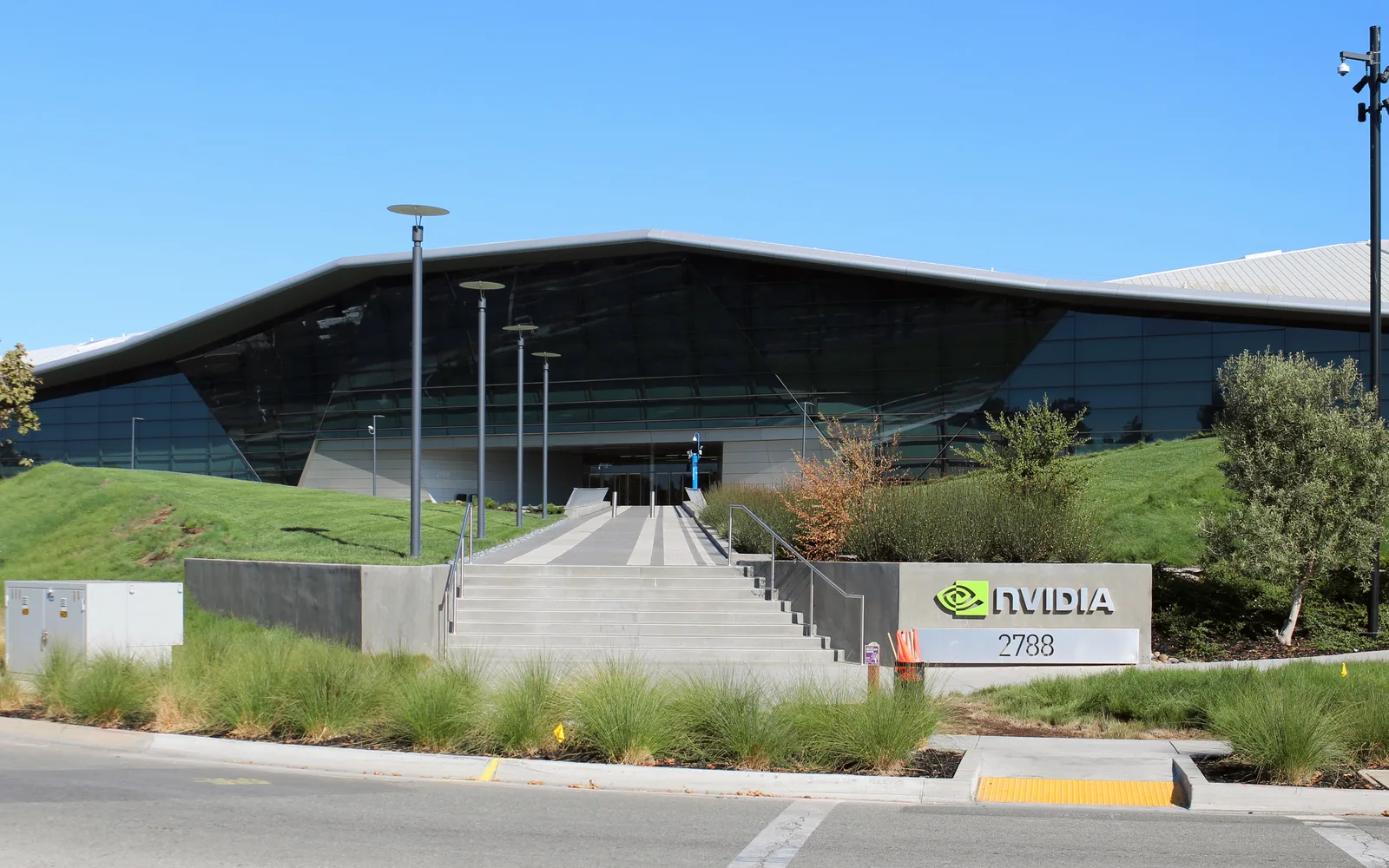
Nvidia shares were down more than 5% in premarket trading, and shares of Anthropic were down about 5% to near $78. Dell shares fell about 5% despite results that beat estimates and a record $132.3 billion AI backlog.
AI rout spreads across Asia
The selling began overnight in Asia. MSCI’s broadest index of Asia-Pacific shares outside Japan fell 2.3%, with South Korean shares down as much as 5.3% and Taiwan down 5.1% at their worst. Japan’s Nikkei 225 fell as much as 2.9%.
On Wall Street on Tuesday, the S&P 500 fell 0.5% and the Nasdaq Composite dropped 1.5%, while the Dow Jones Industrial Average rose 0.9% and the small-cap Russell 2000 gained 0.6%. Nvidia fell 5.9% on Tuesday, giving back some of its gains after Jensen Huang’s return as chief executive, and Anthropic fell 6.5% to below its IPO price.
Fresh tariff threats added to the pressure. The U.S. Trade Representative’s office is preparing to release findings of an investigation into alleged excess industrial capacity among 16 major trading partners, including China and the European Union — a story Zark News reported earlier on Wednesday.
Inflation hotter than expected
The Personal Consumption Expenditures Price Index, the Fed’s preferred inflation gauge, rose 0.3% in October and 3.8% from a year earlier, in line with forecasts, the Commerce Department reported on Wednesday. But core PCE, which excludes food and energy, rose 3.3% year on year, above the 3.2% economists had expected and the highest reading in three years.
Financial markets have priced in a quarter-percentage-point rate hike at the Fed’s December 8-9 meeting, from the current 3.75% to 4.00% range, with another increase expected in January, according to CME’s FedWatch tool cited by Reuters. Fed Governor Christopher Waller has signalled he could support a bigger half-percentage-point increase.
What it means for ordinary people
Another rate hike would keep borrowing costs high for longer: mortgage rates, credit-card rates and car loans would stay elevated, while savers would earn more on deposits. For households with retirement savings invested in the stock market, the selloff means 401(k) balances take a hit just before the holidays. Oil prices, meanwhile, rose slightly, with U.S. crude around $82.50 a barrel, so drivers are unlikely to see much relief at the pump this week. U.S. stock and bond markets are closed on Thursday for Thanksgiving.
The yield on the 10-year U.S. Treasury note was around 4.84%, lower on the day as investors sought safety in bonds.
Sources: Reuters; Investopedia; Investor’s Business Daily.