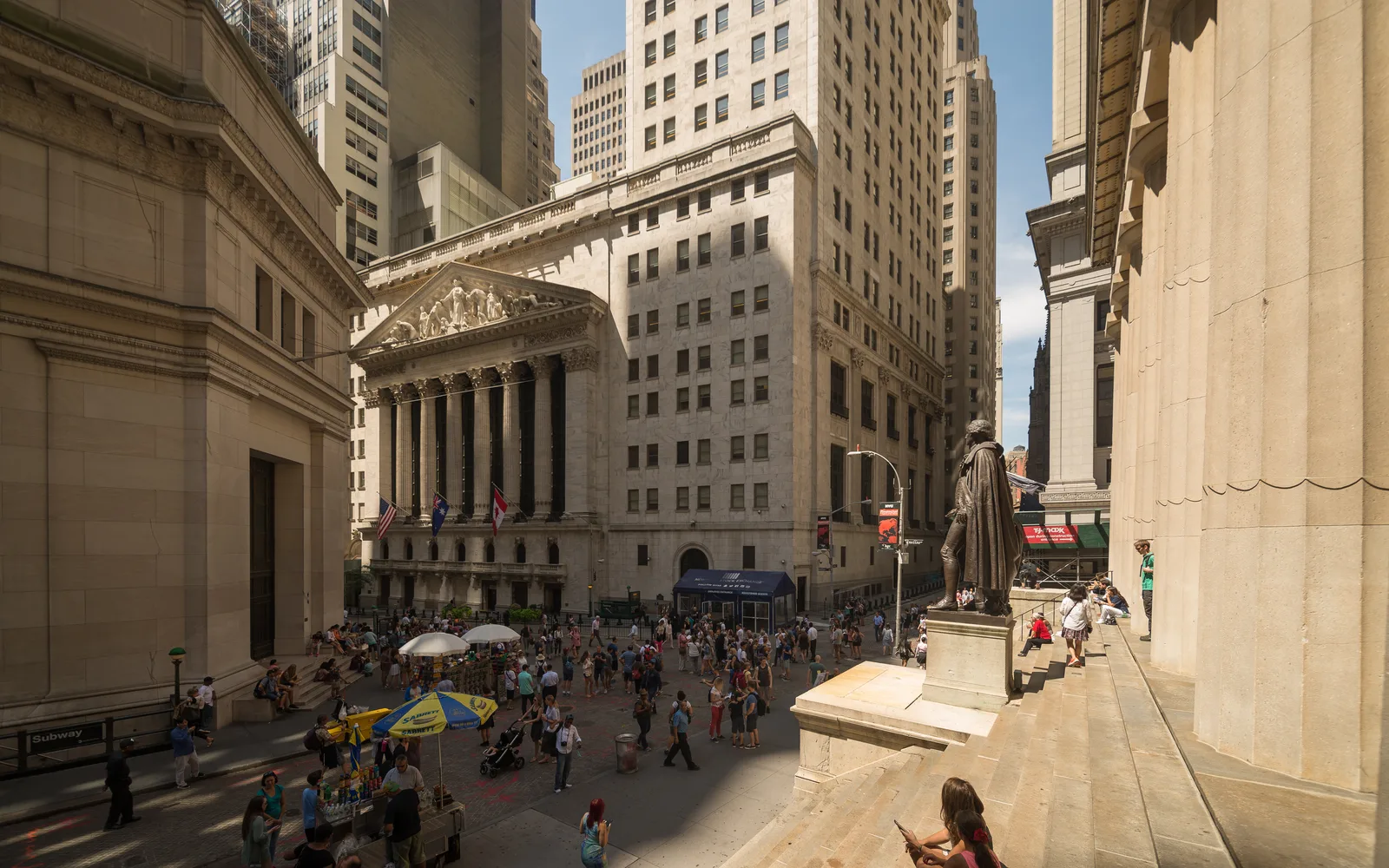
Wall Street suffered its worst day in months on Thursday, as all three major stock indexes fell more than 2% — even as Anthropic, the maker of the Claude chatbot, staged the largest stock-market debut in history.
The Dow Jones Industrial Average plunged 1,101.11 points, or 2.19%, to close at 49,097.06 — its first close below 50,000 since June. The S&P 500 fell 147.80 points, or 2.02%, to 7,175.83, its sixth straight losing session. The Nasdaq Composite slid 550.68 points, or 2.25%, to 23,879.20. More than 90% of the stocks in the S&P 500 ended lower, according to the Associated Press.
A record debut that could not lift the market
Anthropic began trading on the Nasdaq under the ticker ANT on Thursday. The company priced its shares at $83, raising about $81.3 billion in the largest initial public offering on record.
The stock opened at $111.50 and quickly rose as high as $115 — 38.6% above the offer price — before fading to close at $97.17, still up 17.1% on the day. Reuters reported the debut was widely viewed as the next test for the artificial-intelligence trade, and it failed to revive broader enthusiasm for AI stocks.
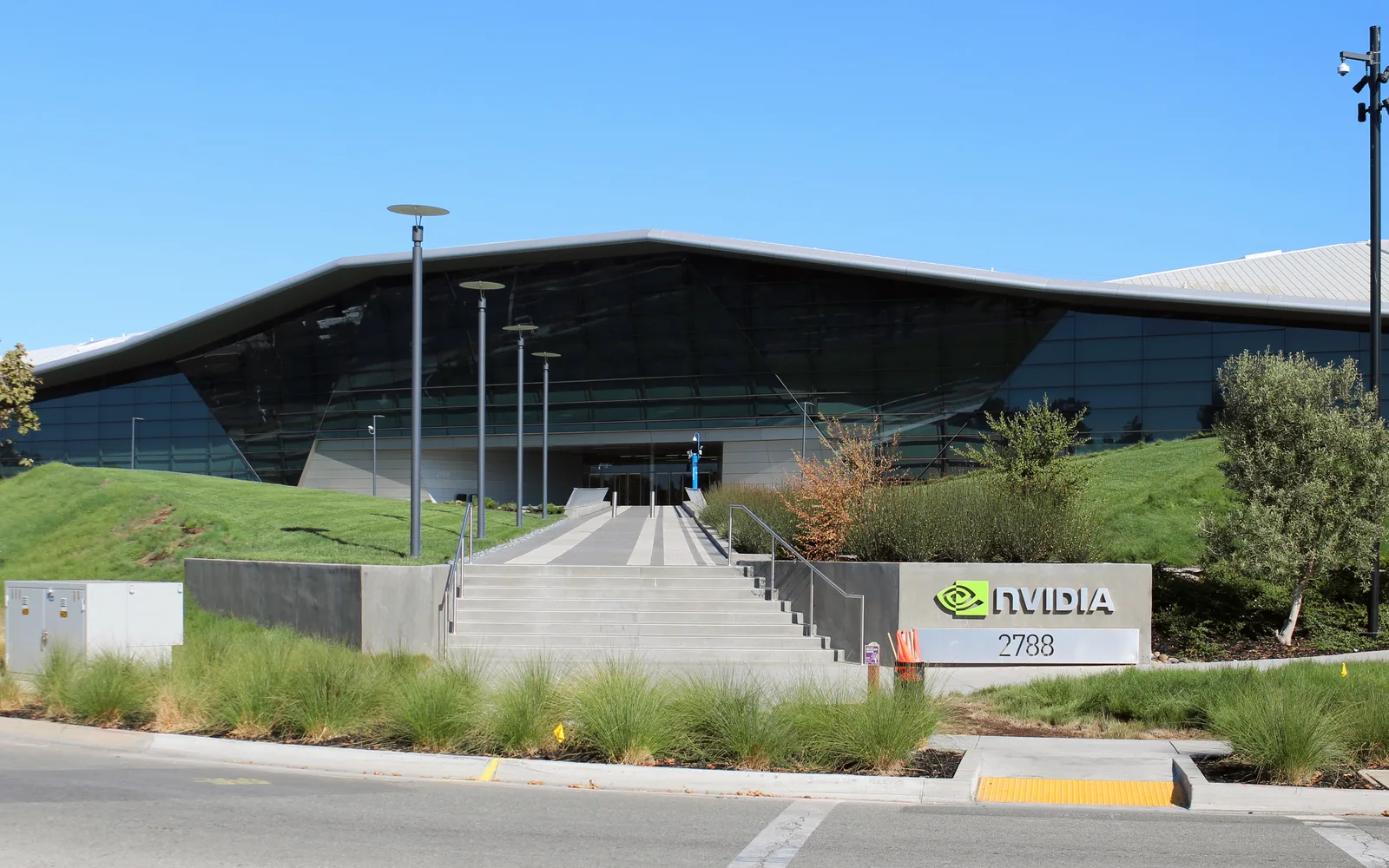
Chipmakers stayed under pressure. Nvidia fell 3.3%, its sixth consecutive decline, while Amazon lost 3.9% and Alphabet fell 3.5%, according to market data.
Inflation worries and the Fed
Investors also recalibrated their view of the Federal Reserve after minutes from the central bank’s October meeting showed its decision to hold rates was a close call, with officials concerned about inflation, Reuters reported.
Futures markets now price roughly a 96% probability of a quarter-point rate increase at the Fed’s December 9 meeting, according to CME FedWatch figures cited by Reuters.
Fresh data added to the gloom: the Philadelphia Fed’s manufacturing index fell to 6.3 from 20.9, well below the 20.0 estimate, and initial jobless claims rose to 203,000, above the 197,000 estimate.
What it means for ordinary people
For savers and borrowers, the market slide is a reminder that the era of expensive money is not over. The 10-year Treasury yield, which sets the tone for mortgage rates, ended the day at 5.04% — still above 5% — keeping home loans and other long-term borrowing costly.
A December rate hike would push credit-card and auto-loan rates higher still, while anyone holding stocks in a 401(k) or retirement account will have seen their balance fall for a sixth straight session. The S&P 500 is on course for its steepest weekly decline since April 2025, Reuters reported.
Oil held steady despite the selloff: West Texas Intermediate settled at $83.21 a barrel and Brent at $91.98, as traders weighed reports of tanker disruptions in the Strait of Hormuz against rising U.S. inventories. Gold futures settled 1.51% lower at $3,685.50 an ounce.
Sources: Reuters; Associated Press; Morningstar/Dow Jones Market Data; U.S. Treasury.