WASHINGTON — President Donald Trump has told his senior advisers in recent days that he may hold off on new attacks on Iran, as long as the United States faces no new provocations from Tehran or from the Houthi forces Iran backs in Yemen, Reuters reported on Saturday, citing three people familiar with the matter.
A lean toward waiting, not a decision
The three people told Reuters that Trump raised the idea in meetings with his national security advisers after a series of intelligence briefings, all speaking on condition of anonymity. Current and former officials told Reuters that Trump has swung between threats of new strikes and talk of winding the war down, and does not appear to have fully made up his mind. The war is unpopular at home: in a Reuters and Ipsos poll taken shortly before the November 3 elections, 55 percent of Americans said it was not worth the cost, and Democrats won control of Congress last week.
The White House did not confirm the private discussions. In a statement, an official said: "As Commander-in-Chief, President Trump is the architect and sole decision-maker who holds all the cards and will always ensure that America's interests are protected. The United States is in a very strong position with control of the Strait of Hormuz and the Iranian economy collapsing. Only President Trump knows what he will do, and when." The CIA and the Office of the Director of National Intelligence did not respond to requests for comment.
Saudi Arabia and Turkey asked him to hold off
In phone calls over the past two weeks, Trump asked Saudi Crown Prince Mohammed bin Salman and Turkish President Tayyip Erdogan for their opinions, and both urged him not to resume attacks on Iran, according to a senior U.S. official and another person familiar with the matter. They said Trump made no commitment either way.
One call carried a sharp detail. Trump told the crown prince on October 31 that he was planning to attack Iran after the elections, according to two more people familiar with that discussion. The crown prince pleaded with him to hold off, arguing that sanctions against Iran were already working. Saudi Arabia's Foreign Ministry did not respond to a request for comment.
Trump has spoken with Erdogan three times since October 28, according to Turkey's presidency. An official Turkish readout of the November 7 call stressed that tensions between Iran and the United States need to end.
Trump echoed the restraint argument in public on Thursday, telling broadcaster Stephen A. Smith: "I could end it immediately, but at the request of the nations that I am looking to protect, we are doing it a little bit longer way, a bit more civilly."
Israel is pressing the other way
Israeli officials have continued to lobby the administration to join another military campaign against Iran, a U.S. official told Reuters. Prime Minister Benjamin Netanyahu has been pressing Trump to resume the war, and on Friday the head of Israel's Mossad spy agency, Roman Gofman, was in Washington for talks with senior Trump administration officials. Read Zark News' Friday report: [Israel's Spy Chief Came to Washington as Netanyahu Pushes Trump to Restart the War With Iran](https://zarknews.com/israel-spy-chief-washington-netanyahu-pushes-trump-restart-iran-war/).
Trump's own public words this week pointed in both directions. On Sunday he told CNN it was "highly unlikely" he would need to order the United States back to war. On Monday he said he would hold off on further strikes while keeping the blockade in place, calling Iran "militarily effectively over." On Thursday he took the harder line in a social media post: "We don't need a deal with Iran. We've got their money, Hundreds of Billions of Dollars, and we've got their Strait!"
What counts as a provocation, and what has not changed
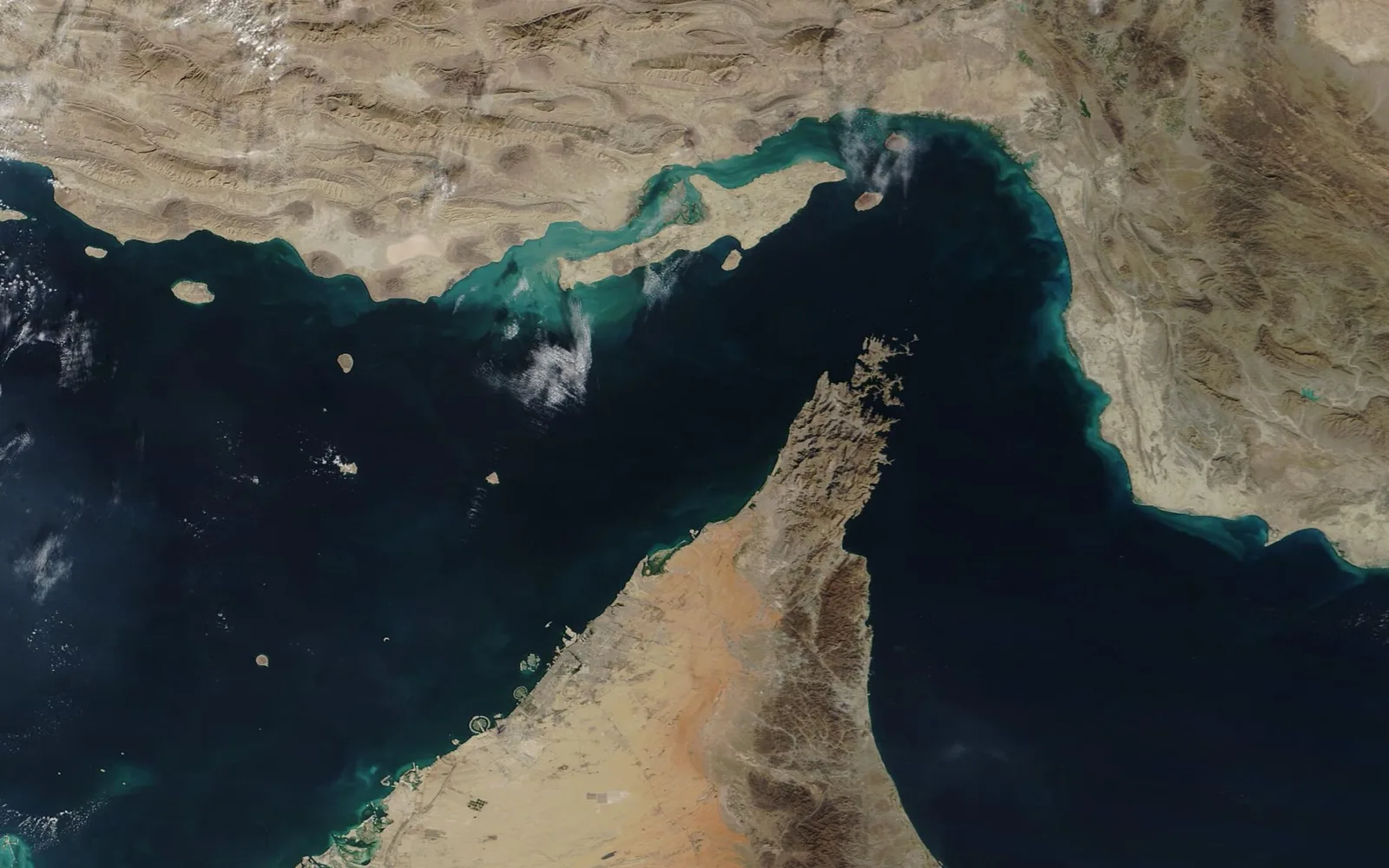
The condition the sources describe is broad. It covers actions by Iran itself and by the Houthis, the Iran-backed movement in Yemen. This week alone brought the kind of incidents that could test it. Iran claimed on Friday that it had destroyed an American radar in Bahrain. U.S. Central Command called the claim false and said American forces shot down two Iranian attack drones launched toward Bahrain. The Revolutionary Guards also claimed two more tankers hit mines in the strait on Friday, which no independent source has confirmed, and the Houthis claimed new attacks on Saudi targets the same day.
Nothing in the reported lean changes the pressure campaign itself. The naval blockade of Iranian shipping stays in place, and the military is also working to stop weapons and other banned material from reaching Iran by land or through the Caspian Sea. Two U.S. officials briefed on the intelligence told Reuters that American agencies assess the blockade and sanctions are hurting Iran's economy, and that renewed strikes would not significantly change what Iran demands in talks. The military is keeping its options open: a third aircraft carrier is moving toward the region and could stay alongside the two already there.
What happens next
No decision has been announced, and Trump promised nothing to either leader. The reported pause holds only as long as nothing new happens. The next incident in the strait, or the next Houthi attack that lands, could be read as the provocation that ends it. The other test is whether Israel acts on its own if Washington keeps waiting.
Reporting note: This story is based mainly on Reuters reporting published November 14, 2026, including the White House statement and the Turkish presidency's account of the calls quoted there; on President Trump's public remarks this week (a CNN interview on Sunday, remarks on Monday, and a social media post and an interview on Thursday); on U.S. Central Command's statement on the Bahrain claim; and on Zark News' November 13 report on the Gofman visit. The account of Trump's private deliberations rests on Reuters' anonymous sources alone and had not been independently confirmed by another news organization as of Saturday.