
BERN, Switzerland — Swiss voters decisively rejected an effort to write a more restrictive form of neutrality into the constitution on Sunday, leaving the federal government with room to cooperate with security partners and impose sanctions in response to international crises.
The provisional official final result showed 70.15% voting against the “Safeguard Swiss Neutrality” initiative and 29.85% supporting it, with turnout at 47.06%, according to Switzerland’s Federal Statistical Office. The proposal was rejected in every canton.
The result does not end Switzerland’s longstanding neutrality. Instead, it rejects a constitutional formula that would have declared neutrality “perpetual and armed,” sharply limited cooperation with military alliances in peacetime and generally barred sanctions against countries at war unless the United Nations Security Council had approved them.
That distinction matters because Switzerland’s current policy is neutral but not passive. The country is not a member of NATO, yet it participates in training and other forms of security cooperation. It also largely adopted European Union sanctions against Russia after Moscow’s full-scale invasion of Ukraine in 2022.
Why the vote matters beyond Switzerland
Supporters argued that stricter rules would protect Switzerland’s credibility as a mediator and prevent future governments from weakening neutrality case by case. Opponents, including the Federal Council and most major parties, warned that the initiative would reduce the country’s ability to respond to grave violations of international law and make practical defense cooperation harder.
Sunday’s margin gives the government a strong mandate to retain that flexibility. It means Bern can continue deciding sanctions and security cooperation under existing law rather than being bound by a rigid constitutional test.
The vote also carries significance for Europe’s broader debate over how militarily nonaligned states should respond to war. Switzerland has treated neutrality as an instrument for protecting its independence while offering diplomatic “good offices.” The rejected initiative would have narrowed the government’s discretion at a time when Russia’s war against Ukraine and other conflicts have put traditional neutrality policies under pressure.
Swissinfo reported that analysts viewed the outcome as support for a more nuanced neutrality rather than a rejection of neutrality itself. The proposal originated with the sovereignty-focused group Pro Schweiz and was supported by the right-wing Swiss People’s Party.
What happens next
Because the initiative failed, no constitutional amendment will take effect. Switzerland remains outside military alliances, but the government retains authority to interpret neutrality within existing constitutional and international-law limits.
The Federal Council will still face political scrutiny over individual decisions, including sanctions, arms-export rules and cooperation with NATO members. Those debates are likely to continue, but Sunday’s result closes the immediate attempt to impose a permanent, highly restrictive definition through the constitution.
A separate initiative aimed at reshaping Swiss food policy was also rejected, with 72.52% voting no, according to the official count.
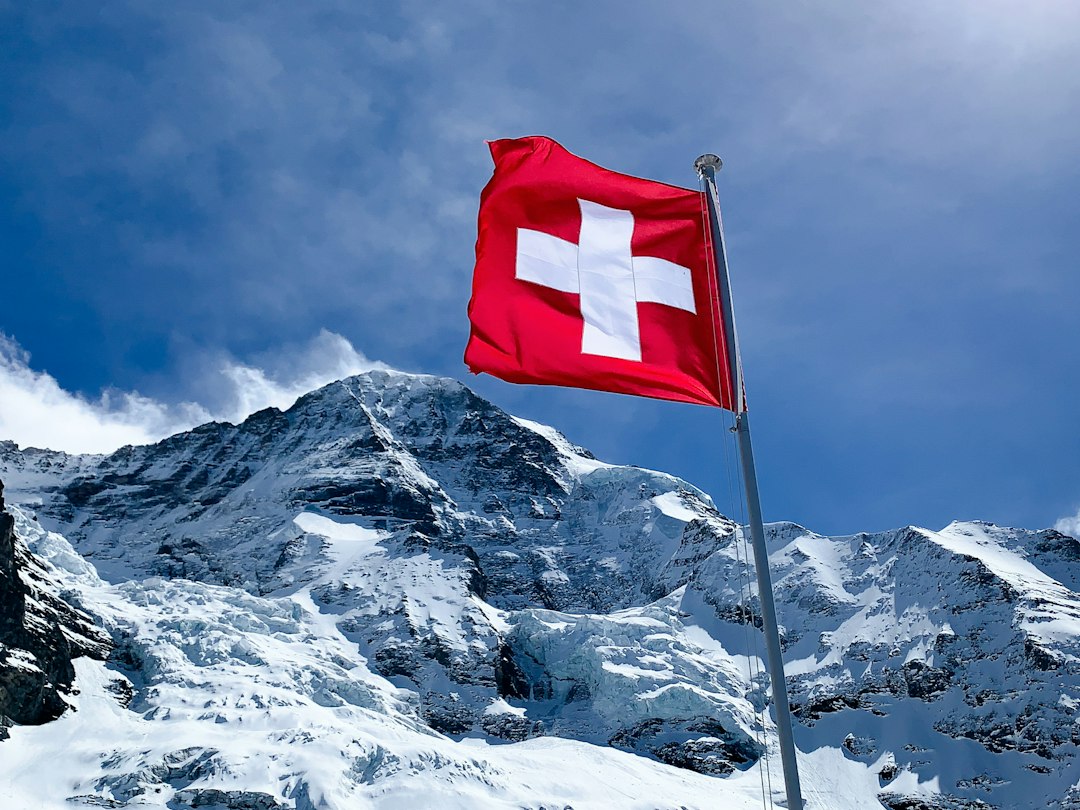
Photo: Swiss flag in the Alps. Ronnie Schmutz/Unsplash.