ISLAMABAD — Pakistan’s government has set out a new auto policy for 2026 to 2031 that promises gradually cheaper cars, a fast push into electric vehicles and a vehicle export industry worth $6 billion over five years. The plan was presented in Islamabad on Saturday, November 7, by Information Minister Attaullah Tarar and Haroon Akhtar Khan, the prime minister’s adviser on industries and production.
The policy rests on six pillars, Khan said: cheaper vehicles, exports, localisation of parts, vehicle safety, electric vehicle promotion and transparency. Duties on fully built imported cars, assembly kits and components are to fall each year until tariffs become competitive after five years, and the adviser said prices of all vehicles except luxury models will come down gradually. Cutting the price of cars below 1,300cc is a stated priority of Prime Minister Shehbaz Sharif, and cars below 1,000cc face no additional taxes under the plan.
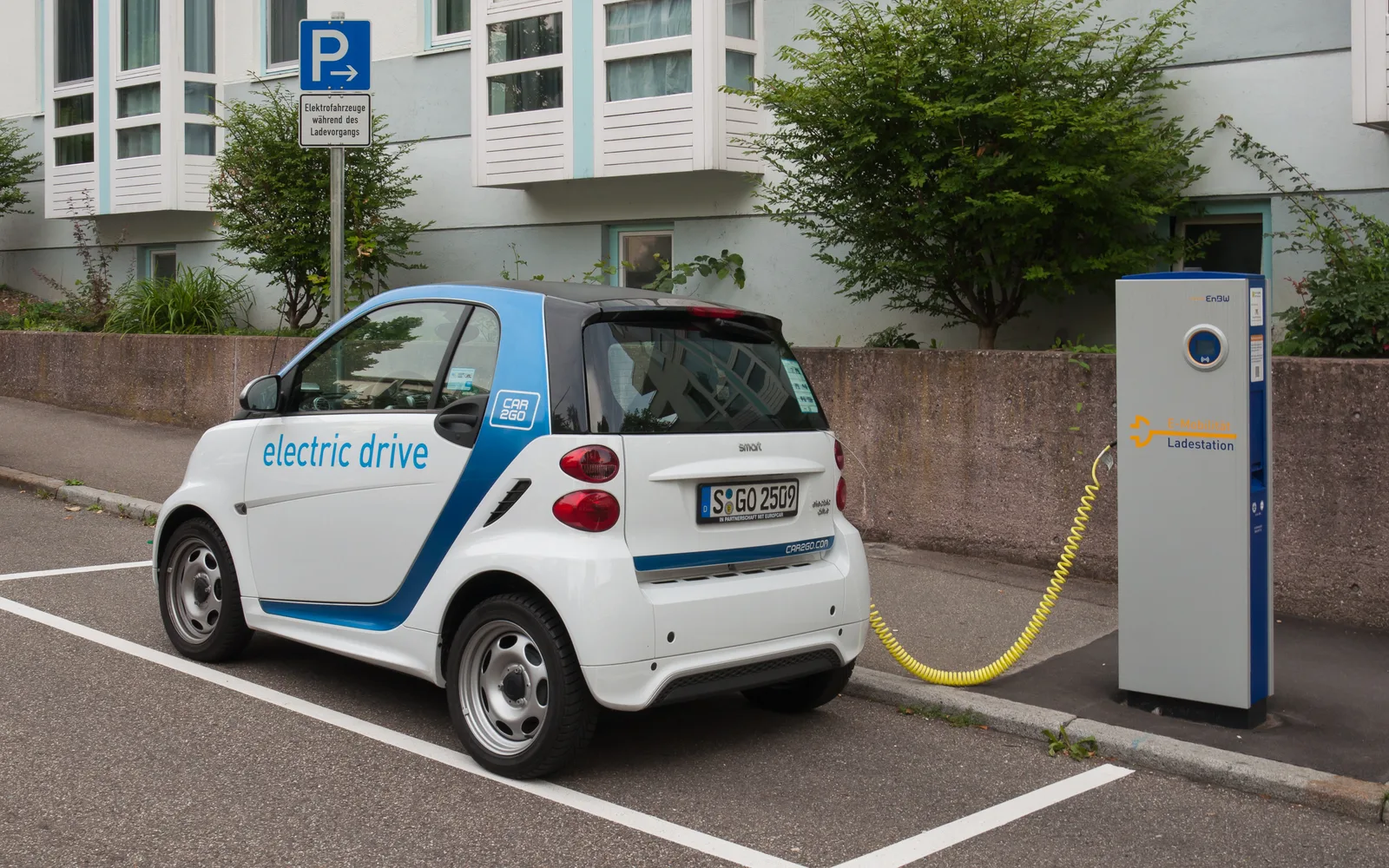
Electric vehicles get the largest breaks. Fully electric cars would pay 1 percent sales tax, range-extended models 6 percent and plug-in hybrids 9 percent, for vehicles priced up to $50,000. Electric cars under that ceiling would also be exempt from capital value tax, withholding tax and federal excise duty. Charging-station equipment would carry 1 percent sales tax with customs duty removed. The State Bank’s financing limit for electric vehicles would rise from Rs3 million to Rs10 million, with repayment stretched from three years to five. The government wants 30 percent of new vehicles to be electric by 2030, a target Khan said could be reached sooner.
For an industry that exported about $200 million of vehicles in the last fiscal year, the export target is the boldest number in the package: $6 billion over five years, with incentives tied to how much a manufacturer builds locally. The policy also adds 45 vehicle safety standards drawn on the United Nations WP.29 framework and caps the advance a buyer can be charged at booking at 20 percent of the car’s price.
The conditions matter as much as the promises. The announcement was a briefing, not the legal notification that puts a policy into force. The prime minister has approved the draft and the cabinet process has begun, but the electric vehicle tax rates still need approval from the International Monetary Fund, because Pakistan’s tax policy runs inside an IMF-backed programme. Ministers have said the government rejected an IMF suggestion to raise the electric vehicle sales tax to 18 percent, and talks on the 1 percent rate are continuing.
Why it matters: cars in Pakistan are among the most expensive in the region relative to incomes, and fuel imports are one of the largest drains on the country’s foreign exchange. If the duty cuts reach showroom prices, and if cheaper electric models undercut running costs, the policy touches both problems at once. If manufacturers keep the savings, or if the IMF talks stall, it changes very little.
What happens next: cabinet approval, the IMF’s answer on the tax rates, and then the formal notification. Only after that will buyers see whether the promised prices appear. Sources: the government’s November 7 announcement as reported by Aaj English TV, The News and Pakistani automotive press.