DUBAI — Three ships were reported burning near the Strait of Hormuz early on Thursday, and Iran rejected Washington’s latest reply in talks to end the war, dimming hopes raised by the U.S. midterm elections that an end to the fighting was close, according to CBS News.
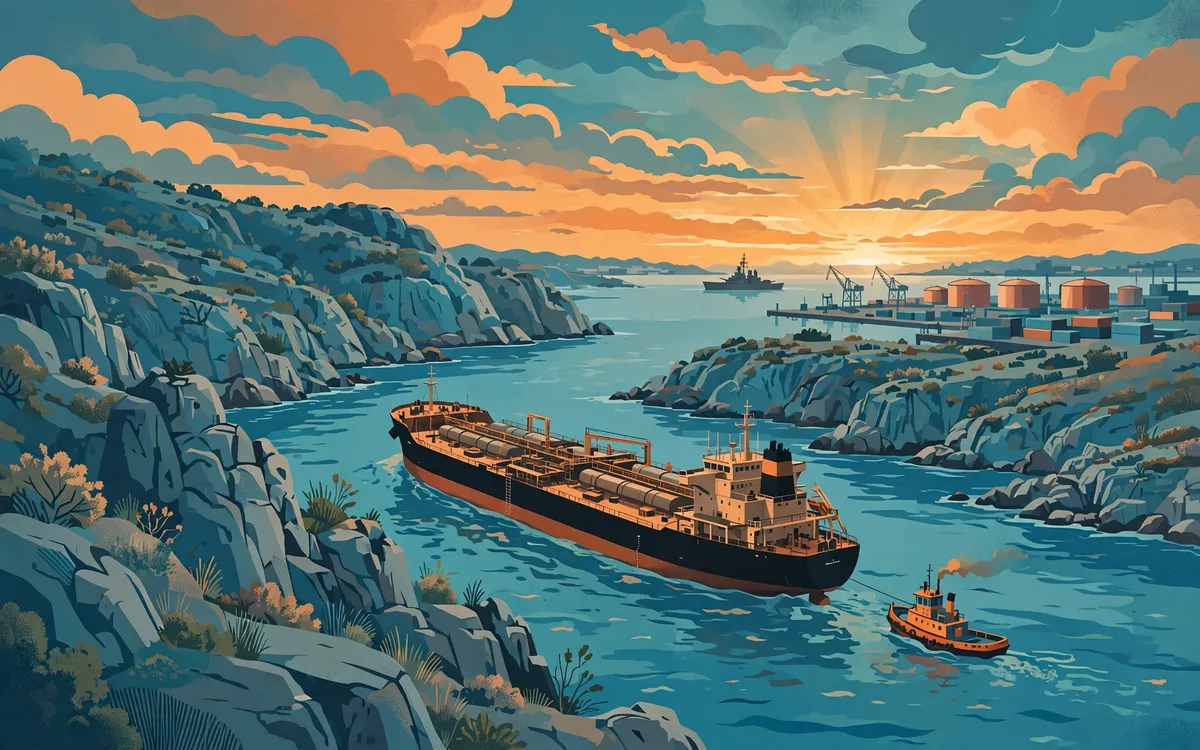
Iran’s Revolutionary Guard navy said two tankers and a tug were burning inside the strait, and later said another tanker had struck a mine and was burning east of it, according to CBS News. Britain’s maritime security agency, UKMTO, separately reported a tanker hit by two projectiles about 50 nautical miles north of Madinat ash Shamal, on Qatar’s northern coast. The reports could not be independently confirmed, and they came from the Iranian force that has itself attacked shipping in the waterway.
Brent crude, which had fallen below $100 a barrel on Wednesday for the first time since September — to about $94, down from its October 23 peak of $116 — climbed back 2.2% on Thursday to about $96.70 after the ship reports, according to CBS News.
Talks stall as ships burn
On the diplomatic side, Mohsen Rezaei, secretary of Iran’s Supreme National Security Council, called the American reply “not convincing.” A statement attributed to Supreme Leader Mojtaba Khamenei said anyone expecting a change in U.S. policy was “seriously mistaken.” Iran’s chief negotiator, Mohammad Bagher Ghalibaf, read the midterm results as Americans saying no to war.
Qatari mediators expect an answer within about 36 hours on a new proposal, Reuters reported, citing an official. Qatar has stepped up its mediation, and President Donald Trump has said the United States currently has no plans for new military action. Rezaei was in Moscow on Thursday to meet President Vladimir Putin, and Russia’s foreign ministry told its citizens not to travel to Iran.
In Washington, the war has become the first argument of the post-election season. Vice President JD Vance has openly blamed the war with Iran for his party’s midterm losses, and a coalition of advocacy groups is preparing to press the new Congress to vote against more war funding. Government funding runs out on December 11, which sets up the first real test of whether the election result changes the war’s course.
Why it matters
The Strait of Hormuz is the world’s most important oil route, and every reported attack there moves fuel prices far beyond the Gulf. Cheaper oil this week came from hope of a deal, not from a deal itself — and Thursday showed how quickly that hope can reverse. Until tankers move safely again, drivers and airlines remain exposed to a single morning’s headlines. A sourced briefing on the day’s developments collects the underlying reports.