Bangladesh raised retail fuel prices on Monday as higher global energy costs widened losses at the state petroleum company, a move likely to increase pressure on transport, households and export industries.
The government increased diesel prices by 20 taka to 135 taka a litre, a 17.4% rise, according to an Energy Ministry announcement reported by Reuters. Petrol rose from 140 to 160 taka a litre, octane from 145 to 165 taka, and kerosene from 135 to 155 taka.
The new prices took effect on September 21. It is Bangladesh’s third fuel-price increase this year, following earlier adjustments in April and June.
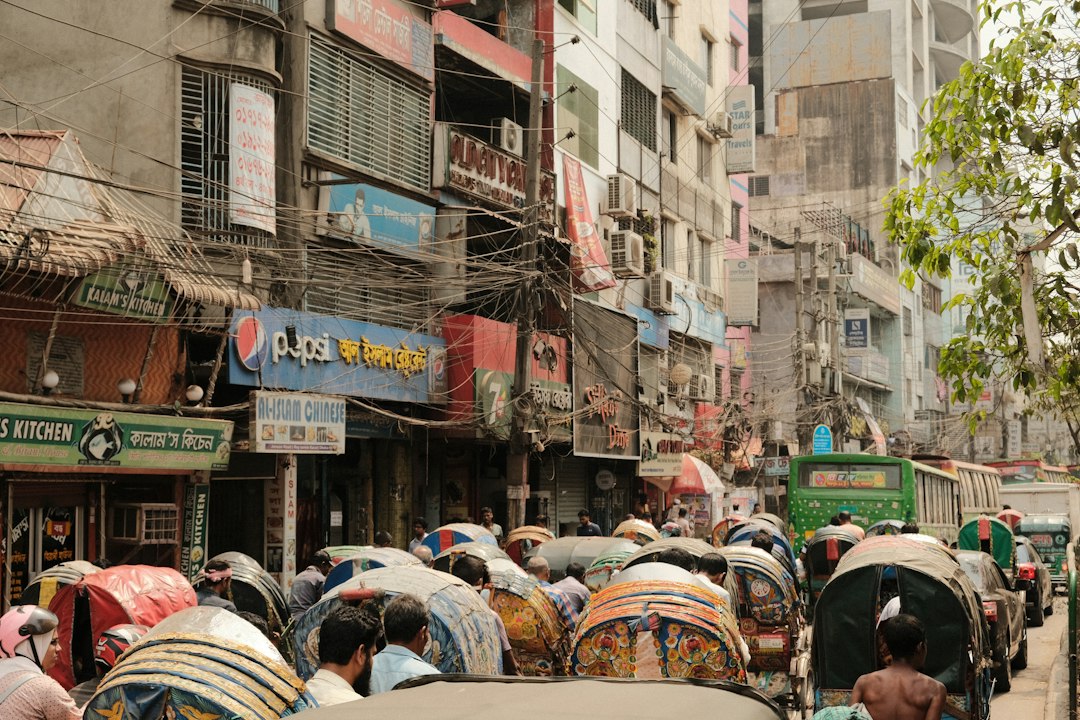
Featured image: Dhaka street traffic, file photograph by Austin Curtis / Unsplash. The image does not depict the September 21 fuel-price announcement.
Why the increase matters
Diesel is central to Bangladesh’s transport and agricultural economy, while fuel and electricity costs affect factories throughout the country’s export sector. Higher pump prices can move quickly through bus and freight fares, food distribution and manufacturing expenses.
That creates a difficult policy trade-off. The price increase can reduce the fiscal and foreign-exchange burden of importing energy, but it also risks adding to consumer inflation and production costs. Bangladesh is a major garment exporter, and energy reliability and cost are important to factories competing for international orders.
The government said global fuel prices had more than doubled since March and that freight costs had risen amid regional instability. Bangladesh Petroleum Corporation recorded losses of 228.76 billion taka, about $1.9 billion, between March and August, Reuters reported.
Officials estimate that the new prices could reduce annual losses by about 100 billion taka. The government also said the increase should help conserve foreign currency and discourage fuel smuggling across borders.
A broader energy squeeze
The decision comes as Bangladesh and other fuel-importing South Asian economies contend with disruption and higher costs in global energy markets. Bangladesh has also faced pressure from the price of liquefied natural gas, which supplies part of the country’s electricity and industrial demand.
Earlier in September, Bangladesh’s energy minister warned that high LNG prices were hurting industrial growth. The government has subsidized imported energy to limit the effect on consumers, but sustained global price increases make that policy increasingly expensive.
For businesses, the immediate question is how much of the fuel increase will be passed through to customers. Transport operators and manufacturers may seek higher rates, while households could face indirect increases in the cost of food and other goods even if they do not buy large amounts of fuel themselves.
What happens next
The economic impact will depend on global oil prices, the taka’s exchange rate and how quickly transport and production costs adjust. Inflation data and any changes in public-transport fares will provide early evidence of the effect on consumers.
The government will also face scrutiny over whether the price increase stabilizes Bangladesh Petroleum Corporation’s finances without deepening the cost-of-living strain. Any further changes will depend on international energy markets and the size of continuing state subsidies.
Sources
- Reuters: Bangladesh raises fuel prices by up to 17% (September 21, 2026)
- Reuters: energy disruption in Bangladesh and Pakistan (September 17, 2026)
- Reuters: high LNG prices and Bangladesh’s industrial growth (September 14, 2026)