The United Nations’ 35-year-old peacekeeping mission in Western Sahara ceased operations on Sunday, November 1, after the U.N. Security Council failed to renew its mandate, leaving the disputed territory without an international observer presence for the first time in 35 years.
Secretary-General António Guterres said in a statement issued through his spokesperson, Stéphane Dujarric, that November 1 would mark the start of the mission’s “liquidation phase,” with a smaller team overseeing the orderly transport of assets back to troop-contributing countries and the disposal of U.N. equipment.
The mission, known as MINURSO, was established in 1991 under Security Council Resolution 690 to monitor the ceasefire between Morocco and the Algeria-backed Polisario Front and to organize a referendum on self-determination. The referendum never took place. Guterres said the mission’s departure “does not abrogate” what he called the “inalienable right” of the people of Western Sahara to self-determination, and he paid tribute to the 20 MINURSO personnel who lost their lives over the mission’s 35 years.
Why the mandate collapsed
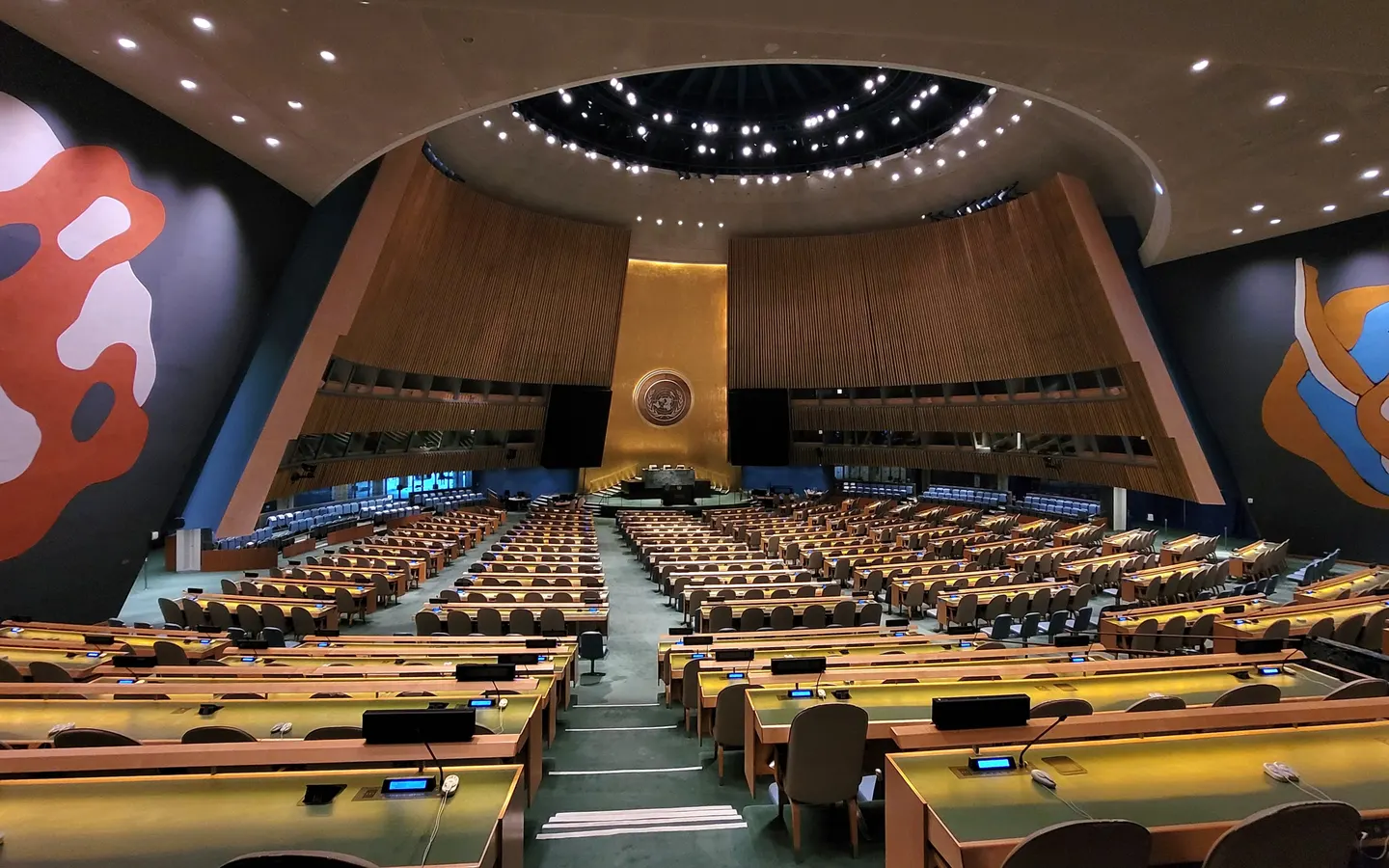
The mandate expired at midnight on Saturday after rival resolutions failed in the Security Council on Friday. Russia vetoed a U.S.-backed draft that would have endorsed Morocco’s plan to grant the territory autonomy under Moroccan sovereignty while scaling back the peacekeeping force. A competing Russian resolution proposing to extend the mission then failed to win the nine votes needed for adoption.
The deadlock comes a year after the Security Council adopted a U.S.-drafted resolution that accepted Rabat’s autonomy plan as the “most feasible” solution to the conflict. Russia abstained in that vote last year, then vetoed the follow-up resolution this year.
Morocco, which claims Western Sahara as its own, welcomed the end of the mission, while the Polisario Front — which has sought an independent state in the territory since former colonial power Spain left in 1976 — expressed concern, Reuters reported.
What happens next
Guterres said the United Nations “stands ready to continue supporting efforts to advance dialogue and pursue a peaceful resolution of the conflict,” and that the work would continue through his personal envoy, Staffan de Mistura.
The mission, headquartered in Laayoune with nine team sites on both sides of the ceasefire line, was authorized to have 534 personnel and carried a 2026–27 budget of more than $62 million, according to the Associated Press.
Sources: Reuters; UN News; Associated Press.