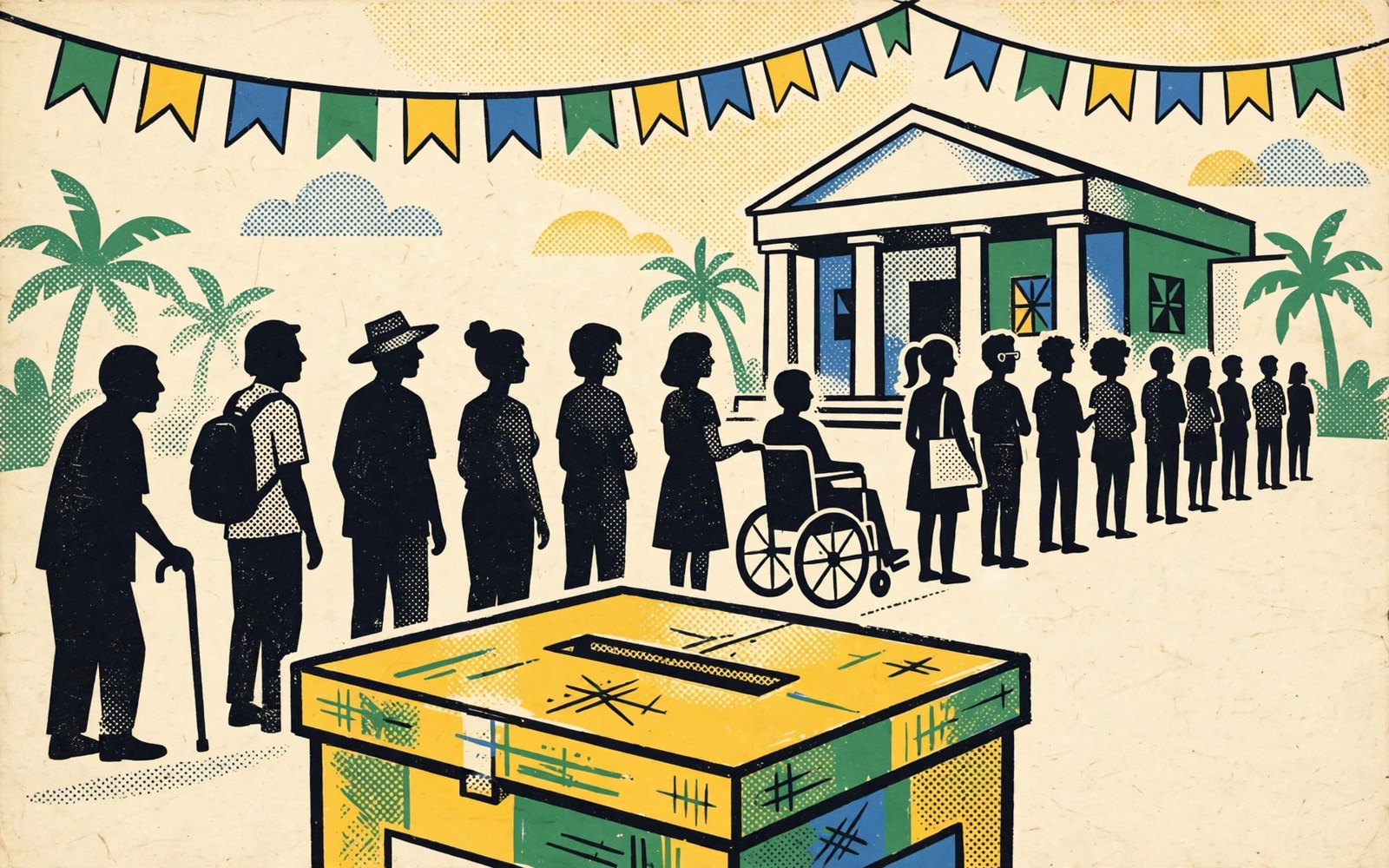
SAO PAULO — Brazilians vote on Sunday in a presidential runoff that polls show is too close to call, choosing between leftist President Luiz Inácio Lula da Silva, seeking a fourth term in office, and right-wing Senator Flávio Bolsonaro, whose victory would shift Latin America’s largest nation sharply rightward and closer to the United States, according to Reuters.
A CNT/MDA poll released on Saturday put Flávio Bolsonaro at 46.3 percent and Lula at 45 percent — a gap inside the survey’s 2.2-point margin of error. The pollster surveyed 2,032 people from October 21 to 23. A week earlier the same series had Bolsonaro leading 46.8 to 45.9, meaning the race has barely moved and Sunday’s result will turn on turnout and on voters who stayed undecided until the final days.
An upset in the first round
Flávio Bolsonaro, 45, is the eldest son of former President Jair Bolsonaro and scored a major upset at the start of October by defying pollsters to lead the first round of voting. His campaign has been shaped by his father’s fate: Jair Bolsonaro was convicted in 2025 of plotting a coup after losing the 2022 election, and Flávio has pledged to free him if elected. President Donald Trump has called the case a “witch hunt” and imposed a 50 percent tariff on Brazil in 2025 in a decision explicitly linked to the trial; many of those levies were later watered down, but Washington imposed new ones this year, citing unfair trade practices, according to Reuters.
Lula has cast the Trump administration’s closeness to the Bolsonaro family as an attempt to sway the election and has labelled the tariffs bullying; Washington denies seeking to influence the vote. The accusation of foreign meddling has run through a campaign also dominated by corruption scandals and economic anxiety.
What voters are weighing
On the economy, Lula points to falling inequality and unemployment during his term, but Reuters reports he has struggled to win over an electorate grappling with high living costs and heavy household debt. Endemic gang violence also weighs on voters’ minds in a country where public security consistently ranks among the top concerns. A victory for Bolsonaro would extend a wave of right-wing wins across Latin America by candidates friendly to Trump, while a fourth mandate for Lula — who first held the presidency from 2003 to 2010 and returned in 2023 — would be read in Washington as a rebuff.
What happens next
Brazil votes electronically nationwide, and results are typically counted quickly once polls close on Sunday evening, so a winner may be known within hours. Given the margin, both campaigns are expected to scrutinise the count, and the losing side’s reaction — particularly in a country that saw an assault on its institutions after the 2022 result — will be watched as closely as the numbers themselves. The winner takes office on January 1 and inherits the region’s largest economy, a divided congress and a trade fight with the United States that Sunday’s vote will either deepen or begin to unwind.
Sources: Reuters, October 24, 2026 — Flávio Bolsonaro, Lula about even ahead of Brazil election runoff, CNT/MDA poll shows; Reuters, October 25, 2026 — Brazil heads to polls in runoff between Lula and Bolsonaro Jr.