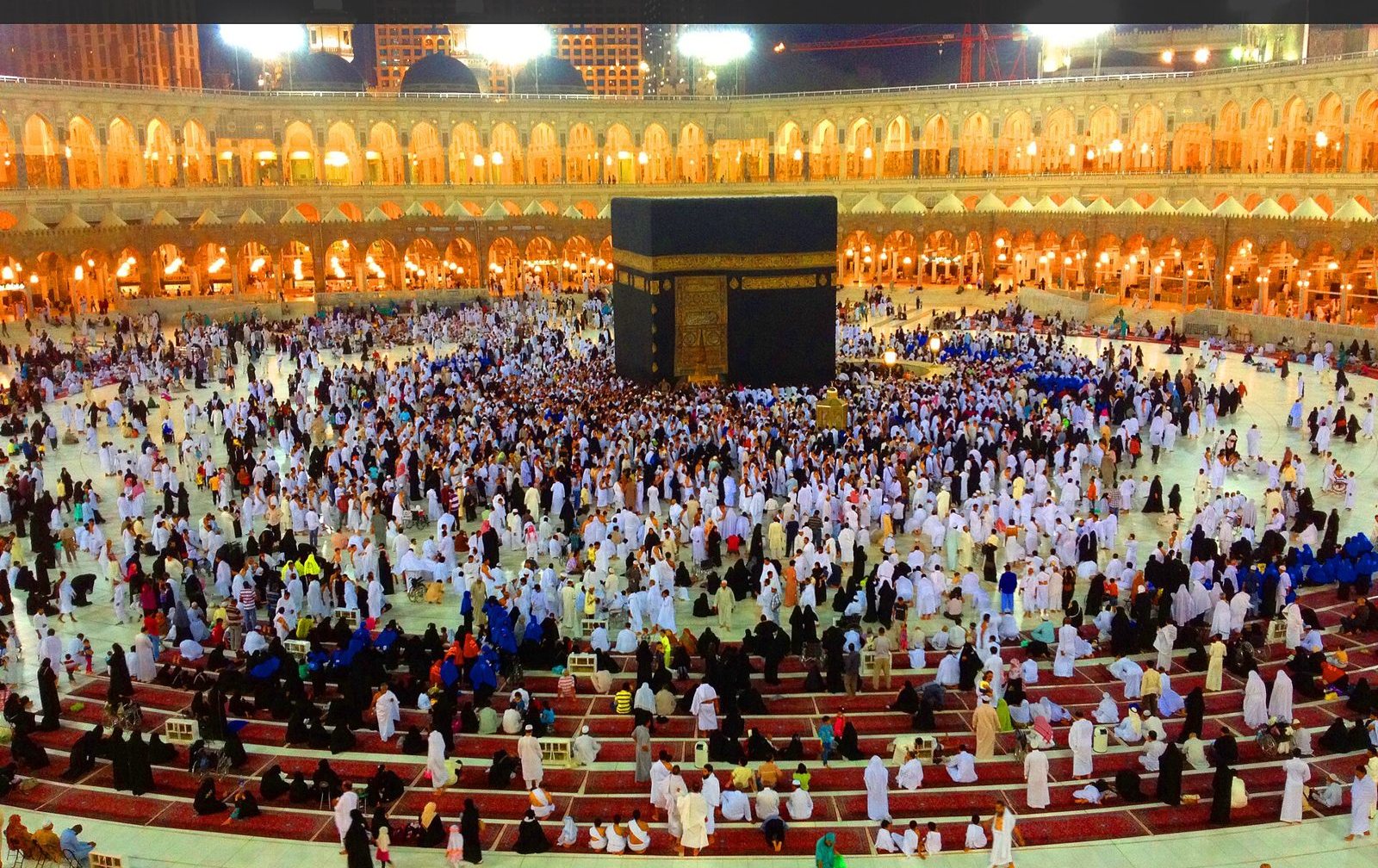
Bangladesh is still waiting for an official account from Saudi Arabia — including a copy of the court verdict — five days after the kingdom executed two Bangladeshi nationals who had been convicted of committing an “immoral act” inside a mosque in Makkah, Bangladeshi officials said.
The executions of Nazrul Islam Abdul Basir and Siti Akhtar were carried out in the Makkah region on Wednesday, October 14, according to a statement from Saudi Arabia’s Ministry of Interior carried by the Saudi Press Agency. Neither Bangladesh’s Foreign Ministry nor its diplomatic missions in the kingdom were informed before the sentences were carried out, officials in Dhaka said.
According to the Interior Ministry statement, security authorities arrested the man and woman after they committed an act described in Arabic as fahisha — an act of sexual indecency — inside a mosque in the holy city. Following an investigation, the two were charged and referred to a competent court, which convicted them and sentenced them to death under ta’zir, a discretionary punishment under Islamic law. The ministry said the court imposed the penalty because of the gravity of the offence and its violation of the sanctity of both the place and the time. The verdicts were upheld by the relevant judicial authority, and a royal order authorised the executions.
“The ministry reaffirms its commitment to maintaining security, upholding justice, and implementing the provisions of Islamic Shariah against anyone who violates the sanctity of mosques and infringes upon the honour and dignity of others,” the statement said, warning that anyone contemplating similar acts “will face the punishments prescribed by Islamic law.”
The Saudi statement did not name the mosque, say when the alleged offence took place, describe the evidence, or state whether the two had legal representation. No further Saudi statement has been issued since, and Riyadh has not publicly addressed why Dhaka was not notified.
In Dhaka, State Minister for Foreign Affairs Shama Obaed Islam told reporters on Saturday that the government had yet to receive any detailed official information. “On October 14, we learned that two Bangladeshi nationals had been sentenced to death under Saudi Arabian law and that the executions had been carried out,” she said. Bangladesh has sent a formal inquiry seeking the pair’s identities and backgrounds and when they arrived in Saudi Arabia for work. She said arrangements to repatriate the bodies could be made once Saudi Arabia responds, and described the case as a major lesson in the need to respect host-country laws.
The Bangladesh Consulate General in Jeddah learned of the executions from media reports and sent a note verbale to the Saudi Foreign Ministry seeking formal acknowledgement. Consular officials said Saudi authorities had previously shared a list of Bangladeshi prisoners that included the two names, without indicating that they faced death sentences.
On Sunday, Foreign Secretary (East and West) Dr Md Nazrul Islam raised the matter directly with Saudi Ambassador Dr Abdullah Zafer bin Abiyah in Dhaka and sought a copy of the verdict. Bangladeshi officials stressed the ambassador had been invited informally and was not summoned, and said they were confident the case would not affect bilateral relations. A senior Foreign Ministry official said Bangladesh’s position — that it should have been informed before the execution — was conveyed to the ambassador.
Saudi Arabia hosts one of the largest Bangladeshi migrant workforces in the world, and consular notification in capital cases has long been a sensitive point between the two countries. Rights groups have also criticised the kingdom’s use of the death penalty for offences other than intentional killing; Amnesty International recorded at least 1,816 executions in Saudi Arabia between January 2014 and June 2025.
Dhaka says it is now waiting for Riyadh’s reply — and for the verdict that would show, for the first time on the record, exactly what the two were convicted of doing.