
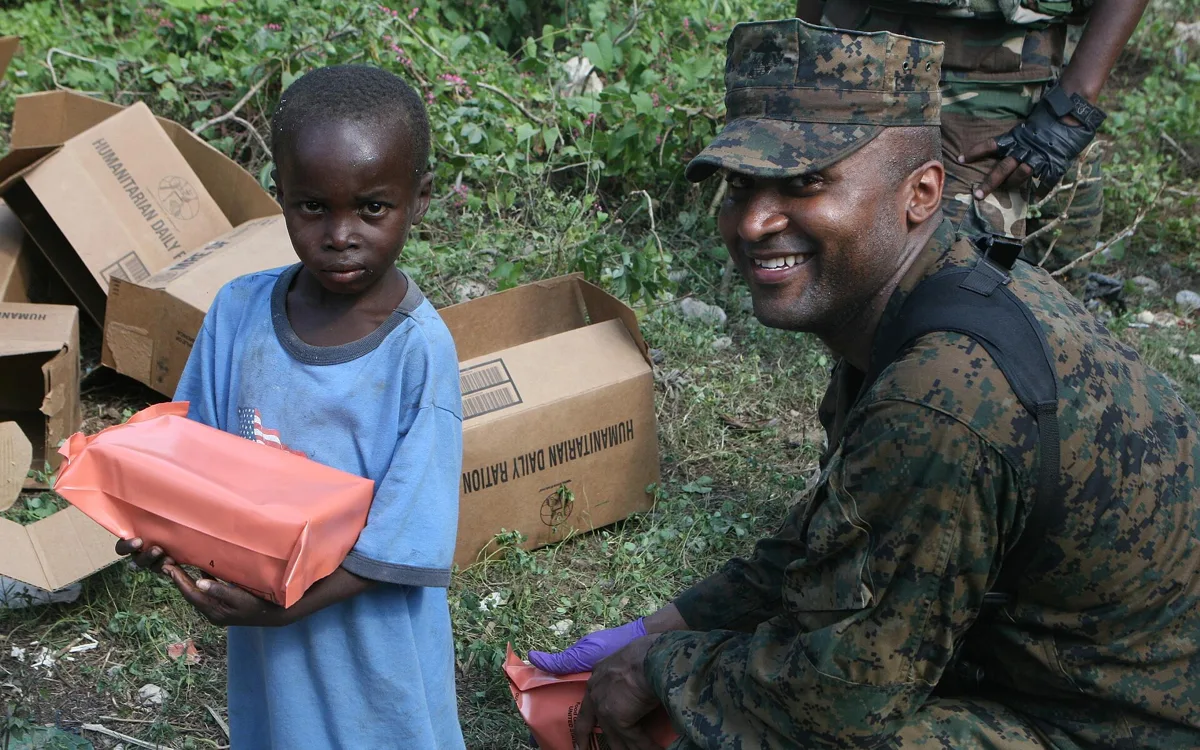
ROME — Acute hunger is expected to worsen significantly in 16 hotspots around the world over the next six months, with a risk of famine in parts of Sudan and South Sudan, the United Nations Food and Agriculture Organization and the World Food Programme warned on Friday, according to the agencies and Reuters.
The joint Hunger Hotspots report, covering December 2026 to May 2027, lists 16 hotspots, up from 13 in the previous report in June, the agencies said. Sudan, South Sudan, Somalia, parts of Nigeria and Yemen are the hotspots of highest concern. Afghanistan, the Democratic Republic of Congo, Haiti and Palestine are classed as very high concern. The remaining hotspots are Chad, the Central American Dry Corridor, Madagascar, Mali, Myanmar, Southern Africa and northeastern Uganda, according to the report.
Conflict is the main driver. Armed conflict and violence are among the primary causes of acute food insecurity in 12 of the 16 hotspots, including all five of highest concern, the agencies said. In Sudan, a risk of famine is projected through January 2027 in 13 areas of North Darfur and South Kordofan, according to the report’s findings. Chad was added to the list because of the spillover effects of the war in neighboring Sudan, which has pushed people and pressure across the border.
The new entries are mostly about weather. The El Nino phenomenon is a major driver behind three of the four newly identified hotspots, the agencies said: Southern Africa, meaning Eswatini, Malawi, Mozambique, Zambia and Zimbabwe; the Central American Dry Corridor; and northeastern Uganda. Lebanon is no longer listed as a hotspot. The two agencies have launched a joint El Nino anticipatory action plan that aims to protect 9 million people in 22 countries, acting before harvests fail rather than after.
Money is the other problem. The agencies warned that shrinking humanitarian funding is undermining efforts to avert catastrophe, Reuters reported, while soaring food, energy and transport costs further erode people’s ability to feed themselves. The report is an early warning, published twice a year through the Global Network Against Food Crises with financial support from the European Union, and its purpose is to trigger action before the worst months arrive.
The human meaning of the categories is plain. A hotspot of highest concern is a place where large numbers of people already face severe hunger and where the agencies expect conditions to get worse, not better. Famine risk means the most extreme level of food crisis is plausible if fighting, displacement and blocked aid continue on their current course.
FAO and WFP called for urgent humanitarian action across all 16 hotspots, above all where famine risk has been identified, and for safe, unimpeded access to people in need, the agencies said. Aid groups routinely say access, not food supply alone, is the binding problem in war zones: food exists in the region, but convoys cannot safely reach the people who need it.
What happens next depends on decisions taken far from the fields and camps named in the report. Funding appeals, ceasefire efforts and the El Nino action plan will decide whether the December to May outlook becomes a record of warnings heeded or warnings missed. The agencies have set out the map. The response is now a political choice in donor capitals and in the capitals at war.
Sources: World Food Programme, U.N. News and Reuters.