NEW YORK — Black Friday arrives this year with a few twists: shoppers are stocking up on discounted shampoo and other basics alongside televisions and toys, and many are using artificial intelligence tools to build lists, compare styles and delivery dates, and find the best price, according to the Associated Press.
Brands and stores have promoted steep discounts online and in stores all month, making the day once considered the unofficial start of holiday shopping feel more like the fourth quarter of a game already in progress, AP reported. AI powered shopping tools and cost concerns fueled by the U.S. war with Iran are also influencing how, where, when and on what consumers spend, according to industry analysts quoted by AP.
“Usually, when you think of holiday shopping, it’s premium handbags and jewelry and those types of items, but we’re fast seeing shoppers also use this season to stock up on the essentials,” said Vivek Pandya, director of digital insights at Adobe, according to AP. Basics going into carts include T-shirts, toiletries and pet supplies.
Online spending so far has beaten expectations. U.S. consumers spent 82.5 billion dollars online from November 1 to November 22, up 9.1 percent from the same three weeks last year, according to Adobe Digital Insights. Adobe predicts online sales for the full season through December 31 will grow 6.7 percent to 275.1 billion dollars. The National Retail Federation forecasts total holiday spending of about 1.01 trillion dollars, AP reported.
The deepest prices may still land on Thanksgiving and Black Friday themselves. Salesforce, which tracks digital spending, said November discounts are 8 percent bigger than last year. Adobe expects discounts on televisions to average 23 percent on Friday, compared with 11 percent during the first 22 days of the month, according to AP.
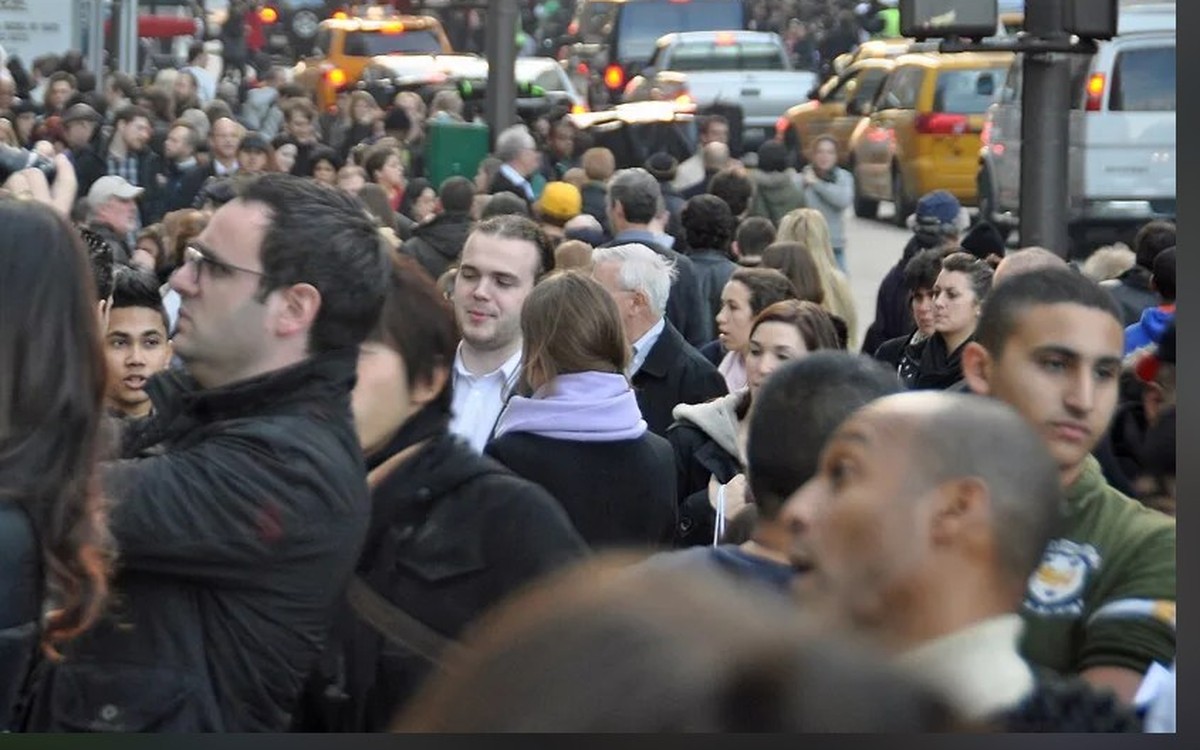
In store shopping is not dead. Black Friday still draws the biggest retail foot traffic of the year, according to Sensormatic Solutions. “Black Friday is still the day for in-store shopping,” said Grant Gustafson, the firm’s head of retail consulting and analytics, according to AP.
AI is steering a growing share of purchases. Traffic reaching retailers from AI powered tools more than doubled this November compared with last year, Adobe reported in AP’s account, and retailers say customers who use their AI assistants spend more per order. Analysts and economists watch the five days from Thanksgiving through Cyber Monday for clues about consumers’ financial staying power and retailers’ prospects into the new year.
The necessities trend carries a plainer message. When households use the year’s biggest discounts to buy cleaning supplies and clothing basics, it suggests budgets are being managed carefully, even as total spending rises. Retailers get their biggest weekend, but much of the growth reflects higher prices rather than more goods, according to the federation figures cited by AP.
What happens next is the rest of the five day stretch, ending with Cyber Monday, when online deals take over. By Tuesday, the industry will have its first full read on whether the early online strength held up in stores as well.
Source: Associated Press report at WDIV.