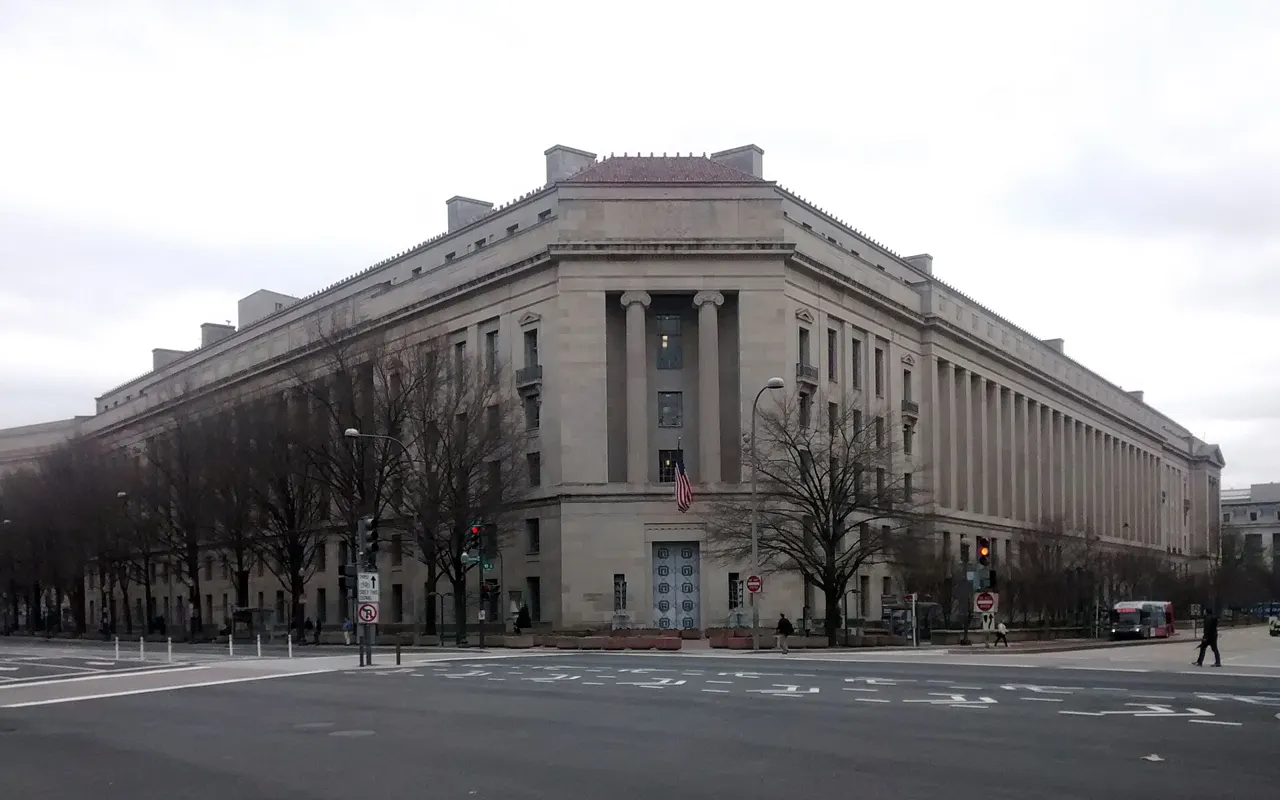
WASHINGTON — The United States has filed a court action to recover more than $1 billion in cryptocurrency assets stolen by North Korean cyber actors in the hack of the Binance exchange, the Department of Justice announced on Monday, November 23.
The department said the action seeks to recover the stolen assets for victims. Reporting on the filing put the amount at more than $1.1 billion in USDC, a dollar-linked stablecoin, and credited Circle, the issuer of USDC, with assisting the effort. The Justice Department’s announcement was listed among its press releases on November 23, alongside other national cases.
The FBI has previously attributed the Binance hack to TraderTraitor, a North Korean state-sponsored hacking operation that the bureau has linked to a series of large cryptocurrency thefts. North Korea’s cyber programme is treated by U.S. officials as a revenue source for the sanctioned state, which is why a theft from a private exchange becomes a national security case as well as a criminal one.
According to reporting on the announcement, the FBI, the U.S. Secret Service and IRS Criminal Investigation are working the case. An official with the Secret Service’s Criminal Investigations Division said investigators identified and froze stolen funds within minutes of the hack, a step that made a recovery action of this size possible: cryptocurrency moved quickly through wallets and exchanges can become far harder to trace and seize.
The filing is a civil forfeiture action, the legal route the government uses to claim property it says is the proceeds of a crime, rather than a criminal charge against a named defendant. That matters for expectations. A filed action begins a court process in which claimants can contest the seizure, and recovery for victims, if the government succeeds, comes at the end of that process, not immediately.
The case also shows how dependent these recoveries are on cooperation from the crypto industry itself. Because USDC is issued by a single company, Circle, the issuer can freeze tokens at specific addresses when law enforcement identifies them, unlike fully decentralised assets. The department’s credit to Circle in its announcement reflects that role.
Cryptocurrency theft by North Korean actors has been one of the largest illicit finance problems of recent years, funding weapons programmes according to U.S. and U.N. assessments, and exchanges have repeatedly been the target. This action, at more than $1 billion, would rank among the largest recovery efforts the Justice Department has announced.
What happens next is litigation. The court will consider the government’s claim to the frozen assets, any competing claims will be heard, and the department says its goal is to return recovered funds to victims. Zark News will follow the case as filings are made public. Source: U.S. Department of Justice press releases.