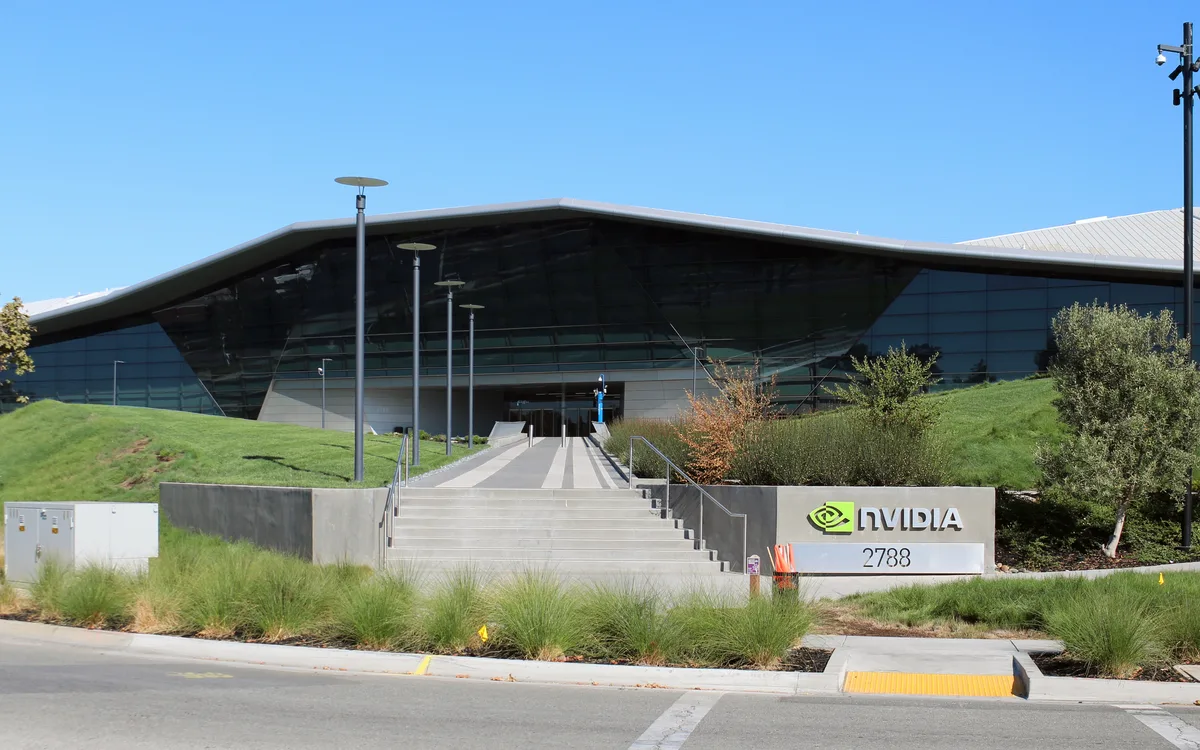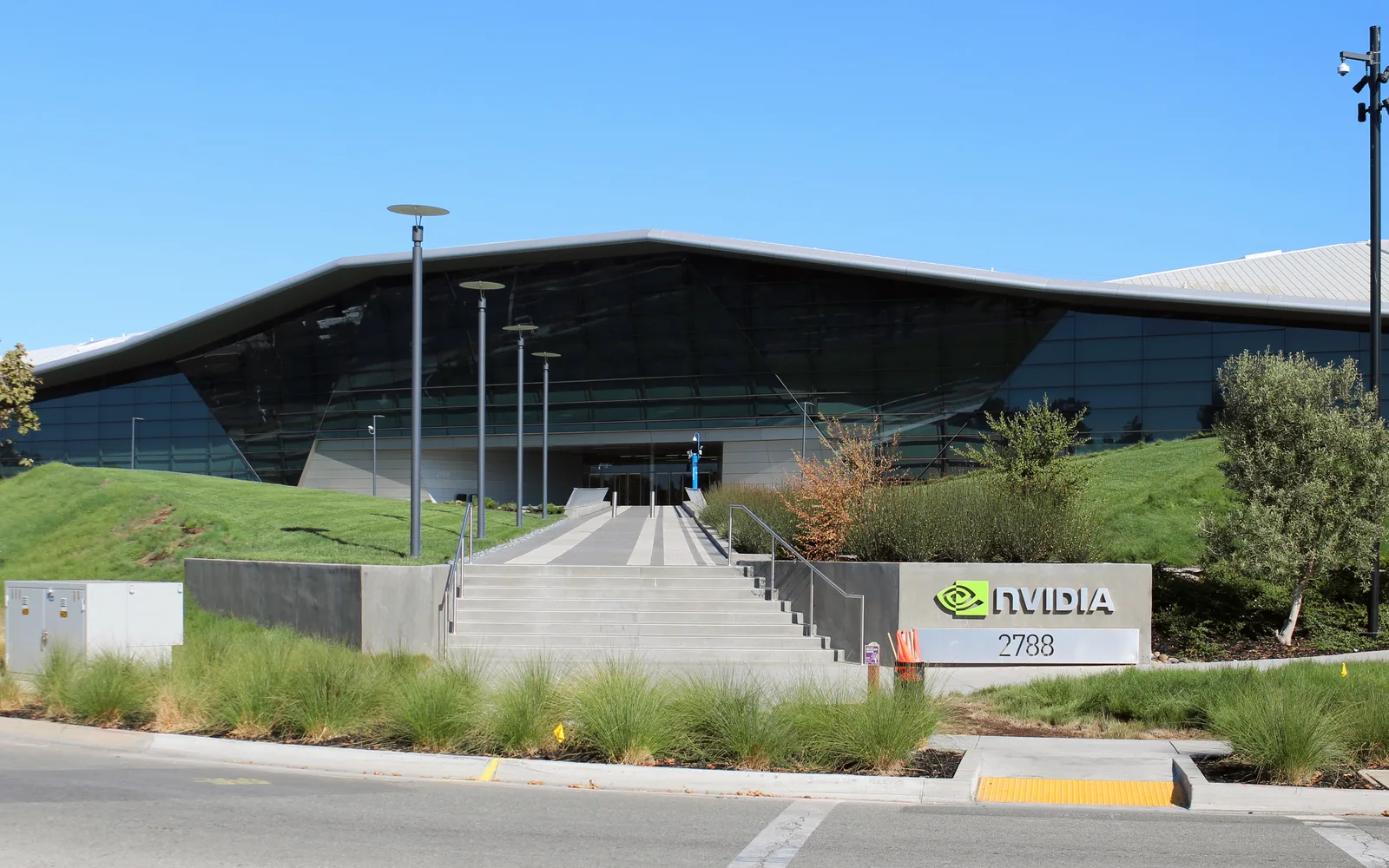
SANTA CLARA, California — Jensen Huang has resigned as president, chief executive and a member of the board of Nvidia, effective immediately, the chipmaker announced on Thursday, ending a 33-year run in which the co-founder built the company into the central supplier of the artificial intelligence boom.
Colette Kress, Nvidia’s executive vice president and chief financial officer since September 2013, has agreed to serve as interim chief executive while keeping her finance role, according to the company’s announcement. The board is starting a search for a permanent chief executive and will consider internal and external candidates. The board also appointed Harvey C. Jones as its chair, the first time Nvidia has had one, according to the company’s filing with the Securities and Exchange Commission.
The filing says the board accepted Huang’s resignation on Wednesday, November 11. Neither the press release nor the filing gives a reason for the departure, and Huang was not quoted in the announcement, CNBC noted. The filing does not disclose any severance or separation arrangements. News reports in the days before the announcement had raised questions about Huang’s personal relationships, and the Washington Post reported that the events leading to his fall were set in motion by Secretary of State Marco Rubio. Those reports are separate from the company’s own statement, which addresses only the change in leadership.
The timing adds to the pressure. Nvidia will report its third-quarter fiscal 2027 results on Tuesday, November 17, at about 1:20 p.m. Pacific time, with an earnings call at 2 p.m., as previously scheduled, the company said. That call will be Kress’s first as interim chief executive, and investors will be listening for any change in the company’s outlook for demand for its AI chips. Nvidia shares fell about 2 percent on Friday and lost about 10 percent over the week, according to reports on the leadership change.
Kress, 59, has been Nvidia’s chief financial officer for more than a decade, after nearly 25 years in finance roles at technology companies including Cisco and Microsoft, according to the company. Analysts quoted in coverage of the transition said a finance chief brings deep knowledge of the company’s numbers and customers, while the open question is who sets product and strategy direction in a business built around Huang’s personal leadership.
Why it matters: Nvidia sits at the center of the global AI build-out, supplying the processors that data centers in the United States and allied countries depend on, and its chips are also a central issue in U.S. export policy toward China. A sudden change at the top, days before earnings and with no reason given, leaves customers, investors and policymakers waiting for the November 17 call and for the board’s choice of a permanent chief executive. The company has said its reporting schedule is unchanged.
Primary source: Nvidia, “NVIDIA Announces CEO Transition,” November 12, 2026, and the company’s Form 8-K filing.