NAIROBI, Kenya. Kenya has discharged its last Ebola patient, leaving the country with no one in treatment and no contacts in quarantine for the first time since the outbreak began, and starting a 42-day countdown after which it can be declared free of the disease, Health Cabinet Secretary Aden Duale said.
“He has been discharged healthy and free of the virus,” Duale said at Afya House in Nairobi on Wednesday, according to the World Health Organization’s Africa office. The last 11 contacts of confirmed patients also went home the same day, having completed their monitoring in good health. In total, 135 identified contacts finished follow-up, according to reports of the briefing. Day one of the countdown is Thursday, November 12. “Forty-two days is twice the longest incubation period of the virus. If no new case is recorded in that period, Kenya will be declared free of Ebola on 23 December 2026,” Duale said. He added a caution: “The countdown is not the end of our response.”
Kenya’s outbreak was small, and it was contained. The country confirmed its first case of Bundibugyo virus disease on October 6, in a Kenyan man who had traveled home from the Democratic Republic of Congo through Uganda and who later died. In all, Kenya recorded nine confirmed cases, all traced to a single transmission cluster. Two people died and seven recovered, the first Kenyans ever to recover from this disease, Duale said. Five patients went home on November 3, a sixth on November 6, and the last case of all was confirmed on October 19; no new infection has been recorded since.
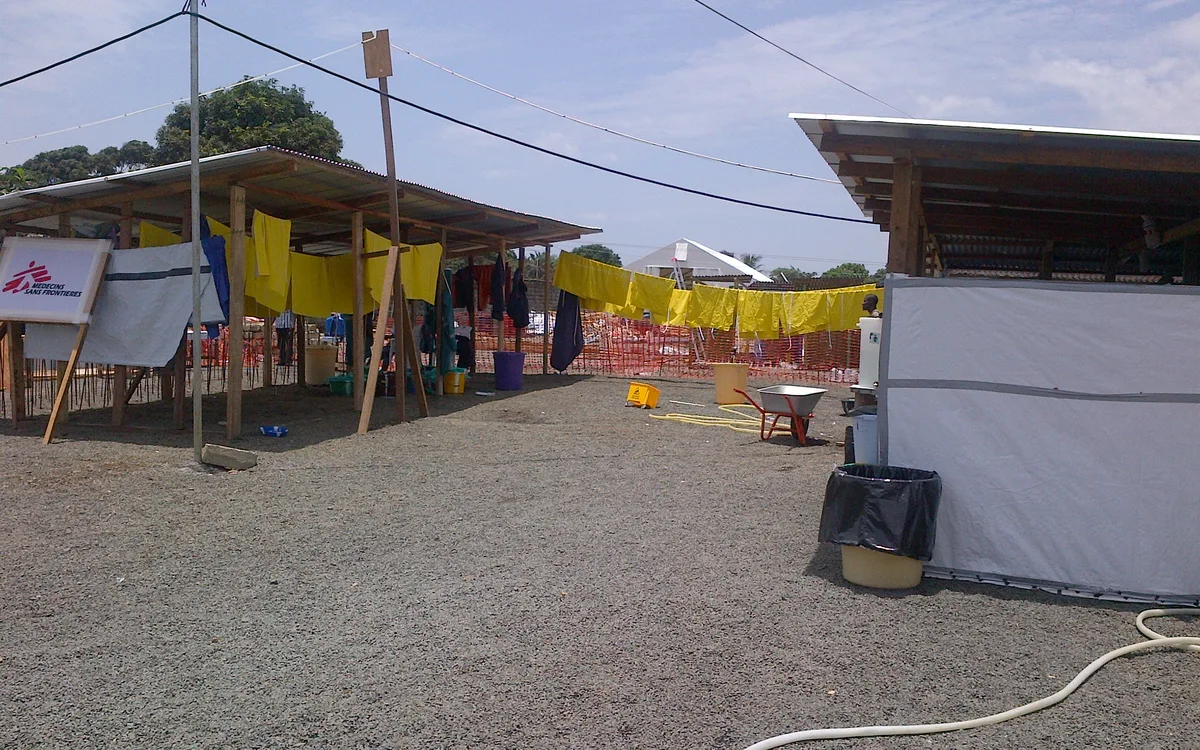
The system that produced that result is the standard Ebola playbook, executed quickly: the first case was reported to the WHO within 24 hours of laboratory confirmation, contacts were traced and monitored for 21 days, and patients were isolated and treated while safe burial protocols were followed for the dead. Four of the seven who recovered were health workers, according to the BBC, a reminder of who carries the risk in an Ebola response. Kenya will now require citizens arriving from Congo to undergo 21 days of quarantine, Duale said, according to Reuters.
The contrast with Congo, where Kenya’s outbreak began, is stark. The Congolese outbreak, declared in May, has confirmed nearly 11,000 cases and more than 5,000 deaths, making it the second-largest Ebola outbreak on record, and it has been reported in four countries, the broadest reach of any Ebola outbreak on the continent. Medecins Sans Frontieres says the epidemic in Congo remains out of control after six months. The Bundibugyo species behind it is relatively rare and has no approved vaccine or treatment, though trials are under way, according to the BBC.
For Kenya, the next six weeks are a test of patience rather than medicine. Surveillance has to stay at full stretch until December 23, because a single missed case in the countdown would restart the clock, and the risk of another imported case stays real while Congo’s outbreak burns on next door. If the days pass quietly, Kenya will end the year with a rare piece of good news in this epidemic: an outbreak that arrived, was caught, and was stopped at nine cases.
Source: World Health Organization, Regional Office for Africa; Reuters