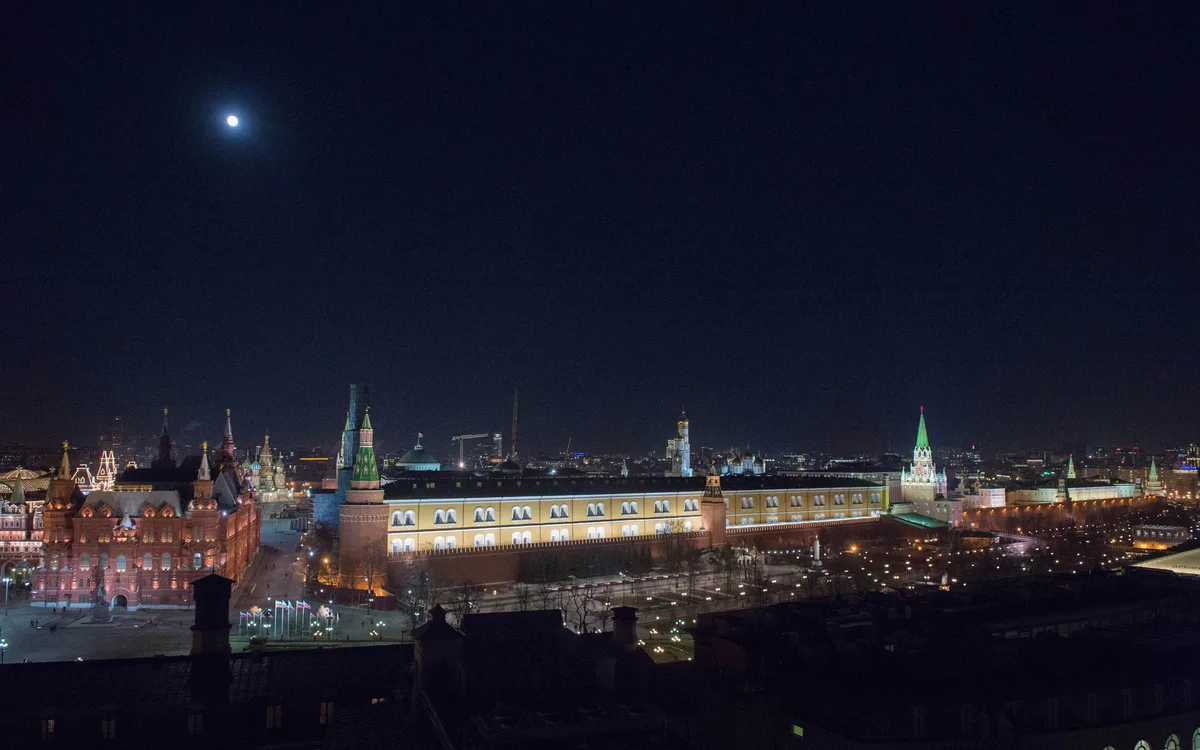
MOSCOW. American envoys Steve Witkoff and Jared Kushner were traveling to Moscow on Thursday to meet President Vladimir Putin, a day after U.S.-brokered talks between Russia and Ukraine in Abu Dhabi ended without progress on a ceasefire, while Russian strikes on Ukraine’s power grid left hundreds of thousands of people without electricity.
The Abu Dhabi sessions, the first U.S.-brokered meeting between the two sides in nine months, closed on Wednesday with an agreement on a new prisoner exchange but no movement toward stopping the fighting, according to reports of the talks. The discussions focused in part on what Europe’s security framework would look like after the war. The American negotiators planned to brief the Kremlin on the sessions, and then to consult Ukrainian President Volodymyr Zelensky in Dublin, while pressing European governments to name a joint representative for future peace talks.
On the ground, the war did not pause for the diplomacy. Russian air strikes on the power grid left more than 850,000 consumers without electricity across the Dnipropetrovsk and Kharkiv regions, according to regional reports, and a separate tally put roughly 600,000 residents in eastern regions without power. Grid operators imposed emergency and scheduled blackouts to keep the network stable ahead of winter, and operators in Kyiv warned of rolling blackouts across the capital.
Ukraine said it answered with precision strikes of its own. The General Staff of the Armed Forces of Ukraine reported successful strikes against Russian positions in occupied areas of Donetsk and Zaporizhzhia, hitting ammunition storage sites, logistics centers and a specialized satellite communications jamming system. Those claims, like the casualty and damage figures from the Russian strikes, come from the warring governments and have not been independently verified.
The Moscow visit is the next test of whether the Abu Dhabi opening leads anywhere. Secretary of State Marco Rubio called the first day of the talks “very productive” when they opened, and the prisoner exchange is the kind of confidence-building step negotiators use to keep a channel alive. But the core disputes, over territory, security guarantees and the order in which a ceasefire and a settlement would come, were not resolved in Abu Dhabi, and nothing in the reports of the talks suggests Moscow or Kyiv has moved on them.
For Ukrainians, the diplomacy is running alongside a familiar winter threat. Russia has struck the power grid in repeated campaigns in earlier winters, forcing blackouts that cut heat, water and light as temperatures fall. Energy officials say emergency cuts now are meant to prevent a wider collapse of the network later. Repair crews were working to restore supply in the east, officials said, but further strikes could undo the repairs as fast as they are made.
What happens next turns on the Moscow meeting. If Putin signals terms his negotiators can carry back into a joint format, the Abu Dhabi channel could become the first sustained negotiation since the talks resumed. If not, the prisoner exchange may stand as the round’s only result, and the envoys’ onward consultations with Zelensky and European governments will decide whether Washington keeps pushing a process that, so far, has produced an exchange of prisoners and no ceasefire.
Source: Horizon world briefing, November 12, 2026; Nexus Europa, November 12, 2026